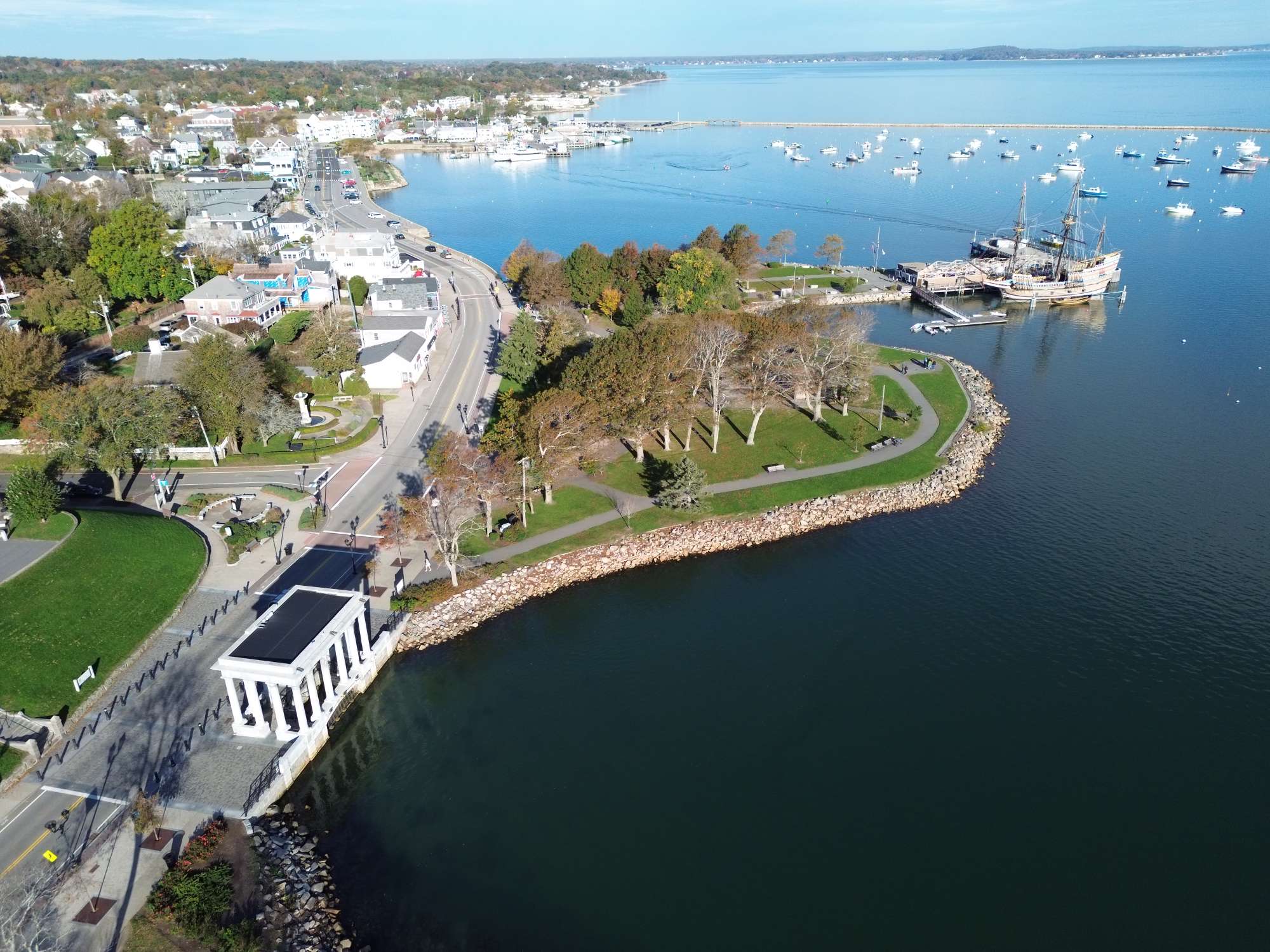
How Flood Zones, Title 5 Septic, and Insurance Costs Affect Home Sales - Plymouth, MA | Brian Ellis
Flood insurance on one Plymouth property costs $1,500 per year; two doors down, same street, same elevation - $6,000 annually. Add in a Title 5 septic inspection that comes back conditional or failed, and what seemed like a straightforward sale in 02360 near Plymouth Harbor suddenly involves a $35,000 repair decision that determines whether you can sell to financed buyers or are limited to cash offers at a discount.
Understanding how these physical and financial systems affect sale price and timeline is part of pricing correctly from day one in Plymouth's current market.
What Happens When Title 5 Fails Before Closing
Massachusetts state law requires a Title 5 septic inspection at time of sale. There are three possible outcomes: Pass, Conditional (needs pumping or minor repair), or Fail (needs full replacement or major work). A failed Title 5 doesn't mean the seller is legally required to fix it - but it does determine who can buy the property. If the buyer is using financing, the bank won't approve the loan without a passing system, so sellers typically take responsibility for the replacement before closing. Cash buyers, however, can purchase as-is with a failed septic, usually at a lower price to account for taking on that responsibility.
Title 5 inspections take 1-2 weeks to schedule, with results taking another week. If the system fails, repair or replacement adds 4-8 weeks minimum to the transaction timeline. Replacement costs range from $25,000 to $50,000 depending on lot size, soil conditions, and proximity to wetlands.
Septic system capacity is based on bedroom count, not bathroom count. A four-bedroom system supports four bedrooms regardless of how many bathrooms are added.
Systems in 02360 near Plymouth Harbor and older neighborhoods around Court Street and Water Street are often 30+ years old. Properties in 02330 (Manomet) have larger lots that sometimes make replacement easier, but wetland restrictions frequently complicate permitting.
Regular pumping every 2-3 years significantly improves the chance of passing. Systems that are 25+ years old and haven't been pumped recently typically need at least a pump-out and minor repairs.
Getting Title 5 done before listing eliminates surprises during the buyer's contingency period. Choosing not to fix a failed septic limits the buyer pool to cash-only buyers, who will typically negotiate a price reduction well beyond the actual replacement cost. It's usually recommended that sellers replace the system to keep the full buyer pool - including financed buyers - in play.
Properties in Plymouth priced just below comps can sell $50,000-$60,000 over asking - but only if there are no mid-transaction surprises. Once a property hits 30+ days on market, buyers assume it's overpriced or has issues.
Flood Insurance Costs in Plymouth FEMA Zones
FEMA flood zone maps in Plymouth are outdated. Many sellers don't know they're in a flood zone until the buyer's lender requires a flood insurance quote 2-3 weeks into the contract.
Flood insurance costs vary dramatically: $1,500 per year to $8,000+ per year, even between neighboring properties on the same street. The factors affecting cost include:
Elevation certificate data showing structure height relative to base flood elevation
Distance to water and specific flood zone designation (AE, VE, X)
Presence of basement or crawlspace
Age of structure and claims history
If annual flood insurance is $5,000+, that's $417 per month added to carrying costs. From a debt-to-income perspective, that's equivalent to a $70,000 increase in purchase price for the buyer's qualification calculations.
Properties in high-cost flood zones often sell 5-8% below comps when buyers factor in lifetime insurance costs. Plymouth's average sale price is approximately $766,000, but flood zone properties without proactive disclosure often renegotiate 3-5% after insurance quotes come back. The sale-to-list ratio in Plymouth is around 97%, but flood zone properties with late disclosure fall below this benchmark.
Specific flood-prone areas include properties along Water Street and North Street near Plymouth Harbor in 02360, properties along Town Brook, the Eel River area in 02360, Manomet coastal properties in 02345, and White Horse Beach in 02381. In Kingston's 02364 ZIP, the Goose Point and Jones River areas frequently surprise buyers with flood zone designations.
Ordering an elevation certificate before listing costs $500-$800 but gives buyers and their lenders certainty. Disclosing flood zone status proactively and pricing accordingly prevents mid-negotiation blindsides that kill deals or force significant price reductions.
How Rising Homeowners Insurance Affects Plymouth Home Sales
Homeowners insurance in Plymouth has increased approximately 12% per year recently. Current costs average $2,800 per year for a 2-bedroom property and $3,400 per year for a 3-bedroom property in ZIP codes 02360, 02361, and 02330.
Insurance costs are directly affected by coastal proximity, age of roof, age of heating system, presence of oil tank, and claims history. Some carriers have stopped writing new policies in coastal Massachusetts or require wind and hail exclusions. Buyers' lenders require proof of insurance before closing — if the buyer can't get coverage or the cost is prohibitive, the deal falls apart.
Plymouth's Manomet (02345) and White Horse Beach (02381) face higher premiums due to wind and hail exposure. Properties with updated roofs installed within the last 10 years, newer HVAC systems, and no oil tanks qualify for better rates and attract more buyers.
In Duxbury's 02332 ZIP, where the average sale price is approximately $1.5 million, properties with older roofs or oil heat often face insurance challenges that delay or kill deals. Coastal properties in Duxbury can see insurance costs exceed $6,000 per year.
Replacing a roof before listing is often less expensive than the price reduction faced in negotiations when buyers discover the roof is near end of life. For properties above $700,000, systems matter more than cosmetic updates when it comes to closing deals at asking price.
Cost of Waiting to Address Septic, Flood, and Insurance Issues Until After Listing
When sellers list without addressing known issues, the timeline typically unfolds as follows:
Week 1-2: Property receives initial interest and showings
Week 3: Offers come in, buyer schedules inspections
Week 4-5: Title 5 inspection, flood determination, and insurance quotes come back
Week 6: Buyer requests $30,000 credit for septic or walks; property is back to square one
Days on market matter significantly. In Plymouth's 02360 ZIP, properly priced listings average 28 days on market, while the overall median is 52 days. Once a property hits 30+ days on market, buyers assume it's overpriced or has issues - even if the only problem was lack of upfront disclosure about septic or flood zone status.
In Kingston's 02364 ZIP, where the median days on market is 43 days and average sale price is approximately $770,000, transparency about systems leads to faster sales. Properties priced correctly from the start sell closer to list price than properties that sit on the market for 45+ days and eventually reduce.
Massachusetts law requires specific disclosures, and certain information like Title 5 results and flood zones are matters of public record that can't be avoided. Brian Ellis has helped Plymouth sellers navigate flood zone disclosures, septic contingencies, and insurance challenges across 02360, 02361, and 02330 for over 10 years as a licensed broker who personally bought, sold, and renovated 40+ properties in Plymouth County.
Getting septic, flood, and insurance information upfront prevents mid-transaction surprises that reset the sale timeline and damage buyer confidence. Pricing correctly from day one based on actual carrying costs leads to faster sales at better net proceeds than waiting for buyers to discover issues during contingency periods. Contact Brian Ellis to evaluate your property's septic, flood, and insurance picture before going to market — when there's still time to get ahead of the issues.