
Plymouth County Real Estate Blog
Real Talk on Selling, Buying & Navigating the South Shore Market
Practical guidance on Title 5 septic, flood zones, pricing strategy, and the issues that actually move home sales in Plymouth, Kingston, and Duxbury. Written by Brian Ellis — broker, former contractor, and the agent who's bought, sold, and renovated 40+ properties in Plymouth County.
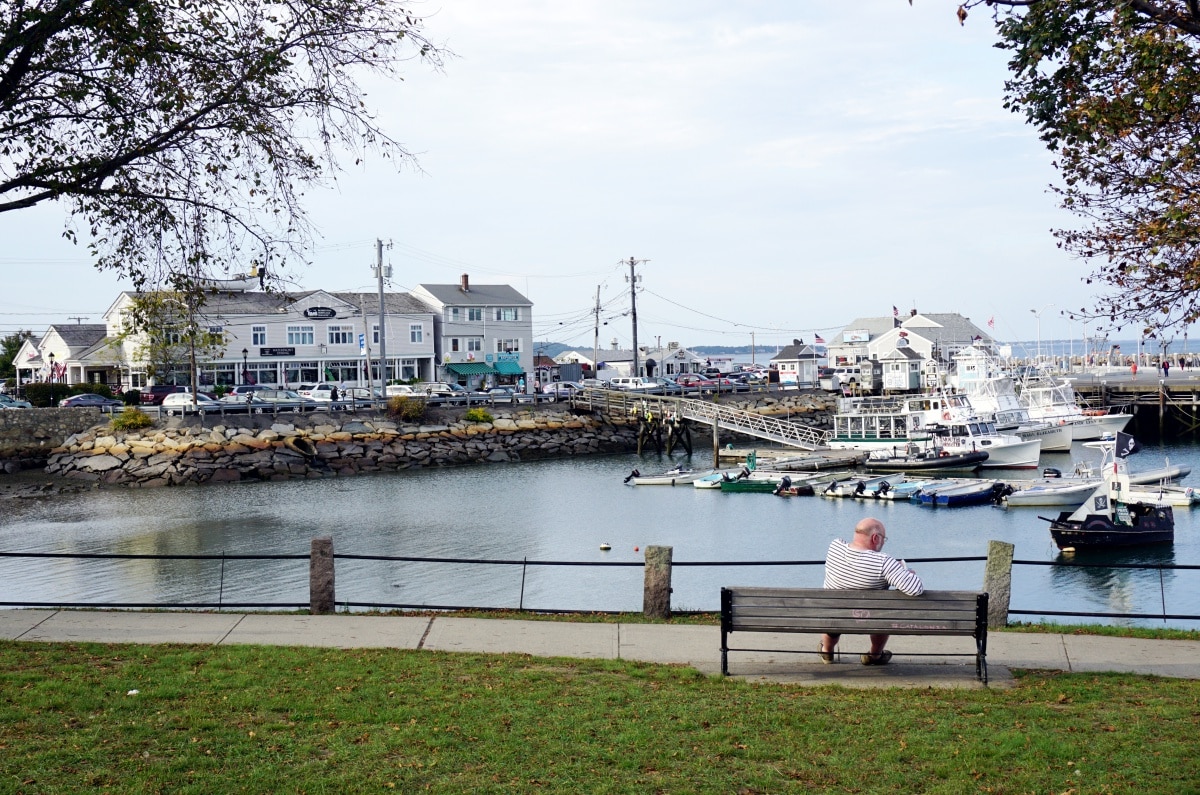
How a Title 5 Septic Inspection Affects Your Home Sale in Plymouth, MA | Brian Ellis - Linwood Ellis
A Title 5 inspection isn't optional in Massachusetts: if your system fails, it will significantly limit your buyer pool and reduce what you can get for your home. Most Plymouth sellers discover their septic system needs attention at the worst possible time - during attorney review or right before closing - which means either spending $25,000 to $50,000 on a replacement or selling as-is to a much smaller pool of cash buyers at a steep discount.
The better approach is to deal with septic issues before you list.
What Is a Title 5 Septic Inspection in Massachusetts
Title 5 refers to Massachusetts state regulations governing septic system inspections. The inspection is required at the time of sale for any property with a septic system - no exceptions for single-family homes, condos with individual systems, or multi-family properties.
A licensed inspector evaluates the system and issues one of three results:
Pass: System meets all current standards and can handle the home's rated bedroom capacity
Conditional Pass: System functions but has minor issues; buyer and seller negotiate who handles repairs
Fail: System does not meet standards. It is customary for sellers to replace the system at their expense in order to attract the widest buyer pool and get the best price. However, you can technically sell a home with a failed system as-is - you just limit yourself primarily to cash buyers
A passing inspection is valid for two years. If the system was newly installed or replaced, the inspection is valid for three years.
In Plymouth's 02360 ZIP code - especially near Plymouth Harbor and Water Street - many septic systems are 30-plus years old and approaching the end of their functional lifespan. With median days on market at 52 days overall in Plymouth, a failed Title 5 can add another 45 to 60 days to your closing timeline if you wait until after going under contract to test.
Homes in newer subdivisions built after 2000 in ZIP codes 02361 and 02362 are less likely to have septic issues. Properties in older neighborhoods like Manomet (02345), Cedarville, and along Long Pond Road frequently encounter Title 5 failures due to aging infrastructure.
Should I Get a Septic Inspection Before Listing My House
Getting Title 5 done before listing eliminates surprises mid-negotiation. When you wait until a buyer is under contract, you lose control over contractor choice, timeline, and financing.
If the system fails during the sale process, buyers can walk or renegotiate. You're forced to accept whatever terms they propose because the alternative is losing the deal entirely.
Pre-listing inspection gives you three strategic advantages:
Control: You choose the contractor, negotiate repair costs, and handle the work on your timeline
Marketing power: A passing Title 5 becomes a selling point you can advertise upfront
Pricing clarity: If the system fails, you can either repair before listing or price accordingly with full transparency
Properties priced correctly in Plymouth average 28 days on market. But if a Title 5 failure surfaces two weeks into your listing, you're looking at pulling the property off-market, spending $35,000-plus on a new system, and re-listing to a buyer pool that now sees your home as "back on market" - which always raises red flags.
In a market where the sale-to-list ratio in Plymouth hovers around 97%, transparency and preparation separate homes that close on time from those that fall apart during attorney review. Getting your septic inspected is part of a larger pre-listing preparation strategy that includes disclosure strategy and pricing research.
What Happens When a Septic System Fails Title 5 Inspection
Massachusetts law is clear: the seller must repair or replace a failed septic system before closing. This is not a contingency that buyers can waive - it's a state regulation that applies to every transaction.
Repair costs range from $25,000 to $50,000 depending on lot size, soil conditions, and system type. The timeline typically runs four to eight weeks for permitting, installation, and re-inspection. During this period, your sale is in limbo.
Some sellers try to negotiate with buyers to take responsibility for the failed system. This strategy eliminates most qualified buyers. Only investors will consider purchasing a home with a known septic failure - and they'll lowball far more than the cost of repair.
A $30,000 septic replacement often saves you $75,000 or more in lost negotiating power. In Plymouth, where the average sale price is around $766,000, choosing to sell as-is with a failed system rather than spending $30,000 on a fix can easily cost you $50,000 to $75,000 in sale price - because cash buyers know you have fewer options and will price accordingly.
Properly priced homes in Plymouth average 28 days on market. A failed Title 5 that surfaces after you're under contract means starting over - and every day a property sits without closing, buyers assume there's a bigger problem.
Properties near wetlands or in flood zones - including parts of Manomet and areas along Water Street near the harbor - may face stricter septic replacement regulations due to environmental buffer requirements. Lot size also affects cost: smaller lots in denser Plymouth neighborhoods often require more expensive engineered systems.
How Septic System Bedroom Count Affects Home Value
Septic capacity is rated by bedroom count, not bathroom count. A four-bedroom septic system can support a four-bedroom home with any number of bathrooms.
You can add bathrooms without upgrading the septic - but you cannot add bedrooms.
If your home has four bedrooms but your septic is rated for three, you have a legal problem. The home can only be marketed and sold as a three-bedroom property, regardless of how many rooms have closets and windows.
This matters because buyers doing online searches filter by bedroom count. A forced bedroom reduction eliminates a significant portion of your buyer pool.
A four-bedroom home in Plymouth's 02361 ZIP code sells for substantially more than a three-bedroom - but if your septic system is only rated for three bedrooms, you're legally required to list it as a three-bedroom. In Kingston, where the average sale price is around $770,000, losing a bedroom designation because of septic capacity can cost you $40,000 to $60,000 in market value.
Common issue: sellers who finished basements or converted dens into bedrooms without pulling permits or upgrading septic. The Title 5 inspection will catch bedroom-to-septic mismatches.
Older Cape-style homes in Plymouth - common in ZIP codes 02360 and 02361 - often have undersized septics for their current bedroom count. Many homes near Manomet or along Route 3A were built in the 1960s and 1980s with two- or three-bedroom septics, even if they now function as four-bedroom homes.
Before you invest in finishing a basement or converting space into a bedroom, check your septic system's rated capacity - or you'll be paying twice.
How to Pass a Title 5 Inspection Without Replacing Your System
Regular maintenance significantly improves pass rates. Pumping every two to three years removes accumulated solids and reduces strain on the drain field.
If you haven't pumped in five-plus years, do it at least six months before listing to give the system time to stabilize.
Other steps that improve system performance:
Fix plumbing leaks immediately: Excess water overloads the drain field and can cause premature failure
Avoid flushing non-biodegradables: Wipes, feminine products, and paper towels clog the system
Eliminate harsh chemicals: Bleach and drain cleaners kill the bacteria that break down waste
Check the distribution box: Clogs or damage here prevent even distribution to the drain field
Inspect baffles: These prevent solids from entering the drain field; damaged baffles often cause failures
Consider a pre-Title 5 health check from a licensed inspector - an informal review before the official inspection. This gives you time to address minor issues before they become official failures.
Be realistic: if your system is 30-plus years old and showing signs of failure - slow drains, soggy areas in the yard, septic odors - pumping won't save it.
With many Plymouth septic systems in ZIP codes 02360 and 02345 now over 30 years old, regular maintenance is the difference between a $300 pumping and a $40,000 replacement. Properties with high water tables - near ponds, wetlands, or coastal areas in Manomet, Cedarville, and White Horse Beach - are more prone to septic issues due to saturated soil.
Agents who've worked through dozens of Title 5 negotiations help sellers understand the math and timing so repairs don't derail the sale. Homes that pass Title 5 and can advertise it upfront are more attractive to buyers in today's Plymouth market, where properly priced properties sell in under 30 days. Contact Brian Ellis to schedule a pre-listing Title 5 evaluation before surprises shift inspection leverage to the buyer.

Elite Broker Blogs
━━━━━━━━
How a Title 5 Septic Inspection Affects Your Home Sale in Plymouth, MA | Brian Ellis - Linwood Ellis
A Title 5 inspection isn't optional in Massachusetts: if your system fails, it will significantly limit your buyer pool and reduce what you can get for your home. Most Plymouth sellers discover their septic system needs attention at the worst possible time - during attorney review or right before closing - which means either spending $25,000 to $50,000 on a replacement or selling as-is to a much smaller pool of cash buyers at a steep discount.
The better approach is to deal with septic issues before you list.
What Is a Title 5 Septic Inspection in Massachusetts
Title 5 refers to Massachusetts state regulations governing septic system inspections. The inspection is required at the time of sale for any property with a septic system - no exceptions for single-family homes, condos with individual systems, or multi-family properties.
A licensed inspector evaluates the system and issues one of three results:
Pass: System meets all current standards and can handle the home's rated bedroom capacity
Conditional Pass: System functions but has minor issues; buyer and seller negotiate who handles repairs
Fail: System does not meet standards. It is customary for sellers to replace the system at their expense in order to attract the widest buyer pool and get the best price. However, you can technically sell a home with a failed system as-is - you just limit yourself primarily to cash buyers
A passing inspection is valid for two years. If the system was newly installed or replaced, the inspection is valid for three years.
In Plymouth's 02360 ZIP code - especially near Plymouth Harbor and Water Street - many septic systems are 30-plus years old and approaching the end of their functional lifespan. With median days on market at 52 days overall in Plymouth, a failed Title 5 can add another 45 to 60 days to your closing timeline if you wait until after going under contract to test.
Homes in newer subdivisions built after 2000 in ZIP codes 02361 and 02362 are less likely to have septic issues. Properties in older neighborhoods like Manomet (02345), Cedarville, and along Long Pond Road frequently encounter Title 5 failures due to aging infrastructure.
Should I Get a Septic Inspection Before Listing My House
Getting Title 5 done before listing eliminates surprises mid-negotiation. When you wait until a buyer is under contract, you lose control over contractor choice, timeline, and financing.
If the system fails during the sale process, buyers can walk or renegotiate. You're forced to accept whatever terms they propose because the alternative is losing the deal entirely.
Pre-listing inspection gives you three strategic advantages:
Control: You choose the contractor, negotiate repair costs, and handle the work on your timeline
Marketing power: A passing Title 5 becomes a selling point you can advertise upfront
Pricing clarity: If the system fails, you can either repair before listing or price accordingly with full transparency
Properties priced correctly in Plymouth average 28 days on market. But if a Title 5 failure surfaces two weeks into your listing, you're looking at pulling the property off-market, spending $35,000-plus on a new system, and re-listing to a buyer pool that now sees your home as "back on market" - which always raises red flags.
In a market where the sale-to-list ratio in Plymouth hovers around 97%, transparency and preparation separate homes that close on time from those that fall apart during attorney review. Getting your septic inspected is part of a larger pre-listing preparation strategy that includes disclosure strategy and pricing research.
What Happens When a Septic System Fails Title 5 Inspection
Massachusetts law is clear: the seller must repair or replace a failed septic system before closing. This is not a contingency that buyers can waive - it's a state regulation that applies to every transaction.
Repair costs range from $25,000 to $50,000 depending on lot size, soil conditions, and system type. The timeline typically runs four to eight weeks for permitting, installation, and re-inspection. During this period, your sale is in limbo.
Some sellers try to negotiate with buyers to take responsibility for the failed system. This strategy eliminates most qualified buyers. Only investors will consider purchasing a home with a known septic failure - and they'll lowball far more than the cost of repair.
A $30,000 septic replacement often saves you $75,000 or more in lost negotiating power. In Plymouth, where the average sale price is around $766,000, choosing to sell as-is with a failed system rather than spending $30,000 on a fix can easily cost you $50,000 to $75,000 in sale price - because cash buyers know you have fewer options and will price accordingly.
Properly priced homes in Plymouth average 28 days on market. A failed Title 5 that surfaces after you're under contract means starting over - and every day a property sits without closing, buyers assume there's a bigger problem.
Properties near wetlands or in flood zones - including parts of Manomet and areas along Water Street near the harbor - may face stricter septic replacement regulations due to environmental buffer requirements. Lot size also affects cost: smaller lots in denser Plymouth neighborhoods often require more expensive engineered systems.
How Septic System Bedroom Count Affects Home Value
Septic capacity is rated by bedroom count, not bathroom count. A four-bedroom septic system can support a four-bedroom home with any number of bathrooms.
You can add bathrooms without upgrading the septic - but you cannot add bedrooms.
If your home has four bedrooms but your septic is rated for three, you have a legal problem. The home can only be marketed and sold as a three-bedroom property, regardless of how many rooms have closets and windows.
This matters because buyers doing online searches filter by bedroom count. A forced bedroom reduction eliminates a significant portion of your buyer pool.
A four-bedroom home in Plymouth's 02361 ZIP code sells for substantially more than a three-bedroom - but if your septic system is only rated for three bedrooms, you're legally required to list it as a three-bedroom. In Kingston, where the average sale price is around $770,000, losing a bedroom designation because of septic capacity can cost you $40,000 to $60,000 in market value.
Common issue: sellers who finished basements or converted dens into bedrooms without pulling permits or upgrading septic. The Title 5 inspection will catch bedroom-to-septic mismatches.
Older Cape-style homes in Plymouth - common in ZIP codes 02360 and 02361 - often have undersized septics for their current bedroom count. Many homes near Manomet or along Route 3A were built in the 1960s and 1980s with two- or three-bedroom septics, even if they now function as four-bedroom homes.
Before you invest in finishing a basement or converting space into a bedroom, check your septic system's rated capacity - or you'll be paying twice.
How to Pass a Title 5 Inspection Without Replacing Your System
Regular maintenance significantly improves pass rates. Pumping every two to three years removes accumulated solids and reduces strain on the drain field.
If you haven't pumped in five-plus years, do it at least six months before listing to give the system time to stabilize.
Other steps that improve system performance:
Fix plumbing leaks immediately: Excess water overloads the drain field and can cause premature failure
Avoid flushing non-biodegradables: Wipes, feminine products, and paper towels clog the system
Eliminate harsh chemicals: Bleach and drain cleaners kill the bacteria that break down waste
Check the distribution box: Clogs or damage here prevent even distribution to the drain field
Inspect baffles: These prevent solids from entering the drain field; damaged baffles often cause failures
Consider a pre-Title 5 health check from a licensed inspector - an informal review before the official inspection. This gives you time to address minor issues before they become official failures.
Be realistic: if your system is 30-plus years old and showing signs of failure - slow drains, soggy areas in the yard, septic odors - pumping won't save it.
With many Plymouth septic systems in ZIP codes 02360 and 02345 now over 30 years old, regular maintenance is the difference between a $300 pumping and a $40,000 replacement. Properties with high water tables - near ponds, wetlands, or coastal areas in Manomet, Cedarville, and White Horse Beach - are more prone to septic issues due to saturated soil.
Agents who've worked through dozens of Title 5 negotiations help sellers understand the math and timing so repairs don't derail the sale. Homes that pass Title 5 and can advertise it upfront are more attractive to buyers in today's Plymouth market, where properly priced properties sell in under 30 days. Contact Brian Ellis to schedule a pre-listing Title 5 evaluation before surprises shift inspection leverage to the buyer.