
Plymouth County Real Estate Blog
Real Talk on Selling, Buying & Navigating the South Shore Market
Practical guidance on Title 5 septic, flood zones, pricing strategy, and the issues that actually move home sales in Plymouth, Kingston, and Duxbury. Written by Brian Ellis — broker, former contractor, and the agent who's bought, sold, and renovated 40+ properties in Plymouth County.
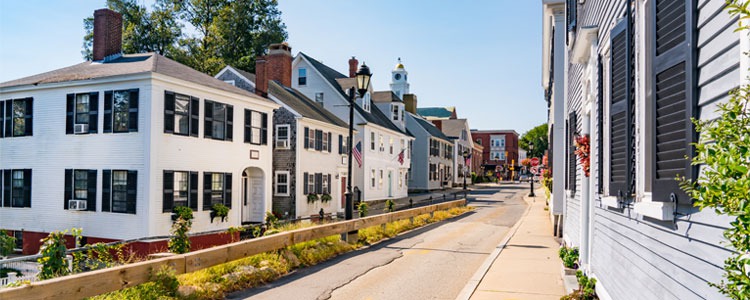
Property Disclosures When Selling Your Home - Plymouth, MA | Linwood Ellis
Massachusetts requires disclosure of known material defects — problems affecting value or safety — but doesn't mandate specific testing. Title 5 septic inspections are legally required before closing in Plymouth, but radon and lead paint testing? Only if you've already done it.
How Plymouth sellers navigate disclosure and pricing strategy without leaving money on the table.
Title 5 Septic Inspection Requirements Plymouth MA
State law mandates a Title 5 septic inspection before deed transfer — the seller's responsibility, not negotiable. The system will either pass, fail conditionally, or fail outright. If it fails, the seller must repair or replace before closing.
Title 5 septic replacement costs $25,000 to $50,000 depending on lot size and soil conditions. Properties near Plymouth Harbor in the 02360 ZIP code frequently have 30-year-old systems approaching end of life. Homes along Warren Avenue, Standish Avenue, and throughout Manomet often sit on smaller lots with challenging soil conditions that require engineered mound systems rather than standard gravity systems — which drives costs toward the higher end.
The system's capacity is determined by bedroom count, not bathroom count. A four-bedroom septic can support four bedrooms with unlimited bathrooms. Adding a bathroom to a three-bedroom home doesn't trigger septic capacity concerns. Adding a bedroom does.
Pumping records and maintenance history significantly improve pass rates. A system pumped every two to three years has much better odds than one that hasn't been serviced in a decade. In Cedarville and White Horse Beach, where seasonal use patterns are common, irregular pumping schedules often lead to conditional passes requiring remediation.
Sellers who wait until after offer acceptance to conduct Title 5 inspections eliminate roughly half their buyer pool. Only investors and cash buyers will touch property with unknown septic risk, and they'll lowball beyond the repair cost.
The full Title 5 timeline and repair logistics are covered in the Plymouth selling process guide.
What Happens If You Don't Disclose Known Defects Massachusetts
Massachusetts law under Chapter 93A requires disclosure of known material defects. "Known" is the operative word — you're not required to search for problems you haven't discovered. But if you're aware of an issue affecting property value or safety, disclosure is mandatory.
Post-closing lawsuits are rare but expensive. Buyers can pursue rescission or damages if they prove the seller knew about a defect and concealed it. Common examples include active roof leaks, foundation cracks with water intrusion, and known electrical panel issues like Federal Pacific or Zinsco panels.
The distinction between cosmetic issues and structural or safety issues matters. Faded paint and worn carpeting don't require disclosure. A basement that floods every spring or knob-and-tube wiring that hasn't been updated does. In Manomet, many older homes still have knob-and-tube wiring. Along the waterfront areas of 02360, foundation settling from proximity to water is common.
Properties priced just below comps can sell for $50,000 to $60,000 over asking when disclosure is handled transparently upfront. In Plymouth 02360, properly priced listings with clean disclosure average 28 days on market compared to the overall median of 52 days.
The less you know about defects, the better — but only for issues you haven't discovered yet. If a contractor mentioned that the beam in the basement is sagging during a previous project, you know. Claiming ignorance on the disclosure form after that conversation exposes you to liability.
Pricing strategy matters more than disclosure anxiety — here's the exact approach that works in Plymouth.
Plymouth MA Flood Zone Disclosure Requirements
FEMA flood maps in Plymouth are outdated. Many sellers don't realize their property sits in Zone AE or VE until the buyer's lender orders an elevation certificate. Flood insurance isn't legally required to disclose upfront, but insurance cost is a material fact affecting marketability — buyers increasingly walk from deals when quotes come back unexpectedly high.
Flood insurance in FEMA zones ranges from $1,500 to $8,000+ per year with wide variance even between neighboring properties. A home on one side of a street in 02360 might carry $1,800 annual flood insurance while the house two doors down pays $6,200. Elevation differences of just a few feet, proximity to water, and whether the property has a basement all affect rates.
Waterfront properties along Plymouth Harbor, White Horse Beach, and Manomet Point have the highest concentration of flood zone designations. ZIP codes 02360 and 02345 contain most of Plymouth's flood-affected properties. Homes along Water Street, Nelson Street, and throughout the Pilgrim Memorial State Park area frequently trigger flood insurance requirements buyers don't anticipate.
Deals fall apart three weeks into contract when a buyer's insurance agent quotes $7,200 per year for flood coverage on a home two blocks from water. By then, you've lost momentum, the buyer has moved on, and you're re-listing in a market that now sees your property as "back on market" — a red flag to every agent in Plymouth.
Understanding flood zone impact before listing helps Plymouth sellers avoid mid-contract surprises.
Lead Paint and Radon Disclosure Requirements Massachusetts
Homes built before 1978 fall under federal lead paint disclosure requirements — but only if known. You must provide the EPA pamphlet and disclose any reports or testing you've completed. You are not required to test. You only disclose results if testing exists.
Radon disclosure follows the same logic. If you have a radon test showing elevated levels sitting in a drawer from five years ago, you must disclose it. If you've never tested, you're under no obligation to go looking for problems.
Radon mitigation systems cost $1,200 to $2,500 and don't significantly affect marketability if already installed. If you test and results show levels above 4 pCi/L, install the system before listing and move on.
Lead paint typically becomes an issue only in homes with small children or visible peeling and chipping paint. Older homes along Court Street, Sandwich Street, and in the historic district near Burial Hill were almost all built before 1978. Radon levels vary by neighborhood, with higher incidence in areas with granite bedrock like North Plymouth and parts of Manomet.
If you're unsure what testing makes sense before listing your Plymouth home, let's talk through your specific property.
How Disclosure Timing Affects Sale Price Plymouth MA
The relationship between disclosure transparency and time on market is direct. Properties with clean Title 5 reports, known system status, and upfront disclosure close faster than homes where issues surface mid-contract. In Plymouth 02360, the median days on market is 52 days overall, but properly priced listings with transparent disclosure average 28 days.
Homes that sit 30+ days develop a stigma. Buyers assume the property is overpriced or has hidden issues. The first one to two weeks on market are critical for buyer perception.
No bidding wars exist in the current Plymouth market — pricing must be right from the start. Homes priced just below comps with clean disclosure can sell for $50,000 to $60,000 over asking because of immediate buyer demand. That pricing power only works if the property is clean — disclosures handled, systems known, pricing accurate.
A seller sitting at 40 days on market because a Title 5 issue surfaced three weeks into contract has lost that advantage. The property now carries a "back on market" label that reduces buyer confidence and negotiating leverage.
We help Plymouth sellers time disclosure and pricing strategy to minimize days on market and maximize sale price — let's review your property before you list.

Elite Broker Blogs
━━━━━━━━
Property Disclosures When Selling Your Home - Plymouth, MA | Linwood Ellis
Massachusetts requires disclosure of known material defects — problems affecting value or safety — but doesn't mandate specific testing. Title 5 septic inspections are legally required before closing in Plymouth, but radon and lead paint testing? Only if you've already done it.
How Plymouth sellers navigate disclosure and pricing strategy without leaving money on the table.
Title 5 Septic Inspection Requirements Plymouth MA
State law mandates a Title 5 septic inspection before deed transfer — the seller's responsibility, not negotiable. The system will either pass, fail conditionally, or fail outright. If it fails, the seller must repair or replace before closing.
Title 5 septic replacement costs $25,000 to $50,000 depending on lot size and soil conditions. Properties near Plymouth Harbor in the 02360 ZIP code frequently have 30-year-old systems approaching end of life. Homes along Warren Avenue, Standish Avenue, and throughout Manomet often sit on smaller lots with challenging soil conditions that require engineered mound systems rather than standard gravity systems — which drives costs toward the higher end.
The system's capacity is determined by bedroom count, not bathroom count. A four-bedroom septic can support four bedrooms with unlimited bathrooms. Adding a bathroom to a three-bedroom home doesn't trigger septic capacity concerns. Adding a bedroom does.
Pumping records and maintenance history significantly improve pass rates. A system pumped every two to three years has much better odds than one that hasn't been serviced in a decade. In Cedarville and White Horse Beach, where seasonal use patterns are common, irregular pumping schedules often lead to conditional passes requiring remediation.
Sellers who wait until after offer acceptance to conduct Title 5 inspections eliminate roughly half their buyer pool. Only investors and cash buyers will touch property with unknown septic risk, and they'll lowball beyond the repair cost.
The full Title 5 timeline and repair logistics are covered in the Plymouth selling process guide.
What Happens If You Don't Disclose Known Defects Massachusetts
Massachusetts law under Chapter 93A requires disclosure of known material defects. "Known" is the operative word — you're not required to search for problems you haven't discovered. But if you're aware of an issue affecting property value or safety, disclosure is mandatory.
Post-closing lawsuits are rare but expensive. Buyers can pursue rescission or damages if they prove the seller knew about a defect and concealed it. Common examples include active roof leaks, foundation cracks with water intrusion, and known electrical panel issues like Federal Pacific or Zinsco panels.
The distinction between cosmetic issues and structural or safety issues matters. Faded paint and worn carpeting don't require disclosure. A basement that floods every spring or knob-and-tube wiring that hasn't been updated does. In Manomet, many older homes still have knob-and-tube wiring. Along the waterfront areas of 02360, foundation settling from proximity to water is common.
Properties priced just below comps can sell for $50,000 to $60,000 over asking when disclosure is handled transparently upfront. In Plymouth 02360, properly priced listings with clean disclosure average 28 days on market compared to the overall median of 52 days.
The less you know about defects, the better — but only for issues you haven't discovered yet. If a contractor mentioned that the beam in the basement is sagging during a previous project, you know. Claiming ignorance on the disclosure form after that conversation exposes you to liability.
Pricing strategy matters more than disclosure anxiety — here's the exact approach that works in Plymouth.
Plymouth MA Flood Zone Disclosure Requirements
FEMA flood maps in Plymouth are outdated. Many sellers don't realize their property sits in Zone AE or VE until the buyer's lender orders an elevation certificate. Flood insurance isn't legally required to disclose upfront, but insurance cost is a material fact affecting marketability — buyers increasingly walk from deals when quotes come back unexpectedly high.
Flood insurance in FEMA zones ranges from $1,500 to $8,000+ per year with wide variance even between neighboring properties. A home on one side of a street in 02360 might carry $1,800 annual flood insurance while the house two doors down pays $6,200. Elevation differences of just a few feet, proximity to water, and whether the property has a basement all affect rates.
Waterfront properties along Plymouth Harbor, White Horse Beach, and Manomet Point have the highest concentration of flood zone designations. ZIP codes 02360 and 02345 contain most of Plymouth's flood-affected properties. Homes along Water Street, Nelson Street, and throughout the Pilgrim Memorial State Park area frequently trigger flood insurance requirements buyers don't anticipate.
Deals fall apart three weeks into contract when a buyer's insurance agent quotes $7,200 per year for flood coverage on a home two blocks from water. By then, you've lost momentum, the buyer has moved on, and you're re-listing in a market that now sees your property as "back on market" — a red flag to every agent in Plymouth.
Understanding flood zone impact before listing helps Plymouth sellers avoid mid-contract surprises.
Lead Paint and Radon Disclosure Requirements Massachusetts
Homes built before 1978 fall under federal lead paint disclosure requirements — but only if known. You must provide the EPA pamphlet and disclose any reports or testing you've completed. You are not required to test. You only disclose results if testing exists.
Radon disclosure follows the same logic. If you have a radon test showing elevated levels sitting in a drawer from five years ago, you must disclose it. If you've never tested, you're under no obligation to go looking for problems.
Radon mitigation systems cost $1,200 to $2,500 and don't significantly affect marketability if already installed. If you test and results show levels above 4 pCi/L, install the system before listing and move on.
Lead paint typically becomes an issue only in homes with small children or visible peeling and chipping paint. Older homes along Court Street, Sandwich Street, and in the historic district near Burial Hill were almost all built before 1978. Radon levels vary by neighborhood, with higher incidence in areas with granite bedrock like North Plymouth and parts of Manomet.
If you're unsure what testing makes sense before listing your Plymouth home, let's talk through your specific property.
How Disclosure Timing Affects Sale Price Plymouth MA
The relationship between disclosure transparency and time on market is direct. Properties with clean Title 5 reports, known system status, and upfront disclosure close faster than homes where issues surface mid-contract. In Plymouth 02360, the median days on market is 52 days overall, but properly priced listings with transparent disclosure average 28 days.
Homes that sit 30+ days develop a stigma. Buyers assume the property is overpriced or has hidden issues. The first one to two weeks on market are critical for buyer perception.
No bidding wars exist in the current Plymouth market — pricing must be right from the start. Homes priced just below comps with clean disclosure can sell for $50,000 to $60,000 over asking because of immediate buyer demand. That pricing power only works if the property is clean — disclosures handled, systems known, pricing accurate.
A seller sitting at 40 days on market because a Title 5 issue surfaced three weeks into contract has lost that advantage. The property now carries a "back on market" label that reduces buyer confidence and negotiating leverage.
We help Plymouth sellers time disclosure and pricing strategy to minimize days on market and maximize sale price — let's review your property before you list.