
Plymouth County Real Estate Blog
Real Talk on Selling, Buying & Navigating the South Shore Market
Practical guidance on Title 5 septic, flood zones, pricing strategy, and the issues that actually move home sales in Plymouth, Kingston, and Duxbury. Written by Brian Ellis — broker, former contractor, and the agent who's bought, sold, and renovated 40+ properties in Plymouth County.
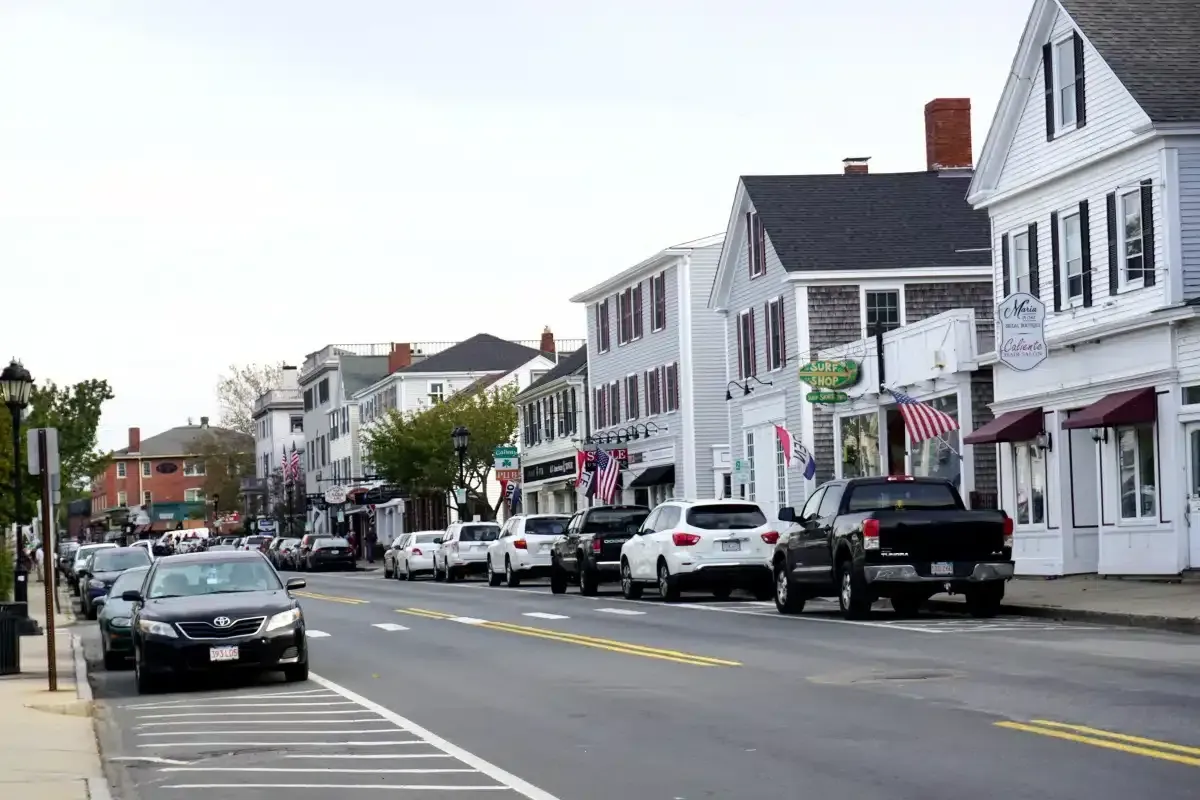
How to Price Your Plymouth, MA Home to Sell in 30 Days Instead of 60
Most Plymouth homes sit 52 days on market. The ones that sell in under 30 are priced correctly from day one—based on what buyers can finance after septic, flood insurance, and inspection realities of older coastal homes along the South Shore.
If you get the price wrong by even 5%, showings dry up while your listing goes stale. Buyers filter by maximum price, and overpricing by $25,000 means you never appear in results.
Here's how to avoid the pricing mistakes that keep Plymouth homes on market through an entire season.
Title 5 septic failure before closing in Plymouth
Title 5 septic inspection is state-mandated within two years of sale in Massachusetts. The system either passes, receives a conditional pass, or fails outright.
If it fails, the seller is legally responsible for repair or replacement before closing. No exceptions.
In Plymouth's 02360 ZIP near the harbor—particularly older neighborhoods along Water Street and Court Street—many septic systems are 30 to 40 years old. Sandy soil conditions and proximity to the water table accelerate system degradation.
A full septic replacement in Plymouth runs $25,000 to $50,000 depending on lot size, soil conditions, and whether the property requires an engineered system due to setback constraints or poor percolation. Buyers cannot get mortgage financing until the septic passes inspection or the seller agrees to an escrow arrangement. Most lenders won't allow septic escrow, which means the sale cannot close until the system is replaced.
In a market where properly priced Plymouth listings sell in 28 days (per MLS data), a surprise septic failure at day 20 kills deals already under attorney review. Sellers who don't have $40,000 liquid lose their buyers.
The solution: get Title 5 done before listing. If the system passes, it becomes a selling point. If it fails, price the home accordingly and disclose the issue upfront. Buyers who can budget for the repair will still make offers—but they'll know what they're getting into.
Homes in Manomet (02345) and Chiltonville face similar issues, especially properties built in the 1960s and 1970s that have never had system upgrades.
Flood zone disclosure and sale price in Plymouth 02360 and 02361
FEMA flood maps in Plymouth are outdated, and many properties fall into AE or VE flood zones without sellers realizing it. Buyers discover the flood insurance requirement during mortgage underwriting—often two to three weeks into the transaction.
Annual flood insurance premiums in Plymouth range from $2,000 to $8,000 or more depending on zone designation and elevation certificate results. For a buyer stretching to afford a $750,000 home, an additional $500 per month in flood insurance can break their debt-to-income ratio.
Properties along Water Street, Nelson Street, and Manomet Point Road (02361) are particularly affected. Any home within 1,000 feet of Plymouth Harbor or tidal marshes should be assumed to carry flood zone risk until proven otherwise.
The better approach: get a flood elevation certificate before listing. Obtain an insurance quote. Disclose the flood zone designation in the MLS listing and price the home $20,000 to $40,000 lower than comparable non-flood properties.
You'll attract buyers who have already accounted for the insurance cost in their budget. You won't lose momentum mid-transaction. And you won't spend an extra 30 days on market trying to recover from a failed deal.
Properties in 02360 near the harbor and 02361 in Manomet are most affected, but even inland homes near wetlands or streams can fall into flood zones under updated FEMA maps.
Overpricing a Plymouth home and days on market
The first 14 days on market are critical. Most showings happen in the first two weeks, and buyer interest drops sharply after day 21.
Overpricing by 5% to 10% causes algorithmic suppression on Zillow and Redfin. Buyers set maximum price filters in their search criteria, and a home listed at $825,000 never appears for buyers searching up to $800,000.
Plymouth's sale-to-list ratio sits at approximately 97% (per MLS data), meaning most homes sell at or slightly below asking price. Overpricing with the expectation of "leaving room to negotiate" doesn't attract negotiators—it eliminates you from search results entirely.
Homes that sit past 30 days develop a stigma. Buyers assume something is wrong with the property, the price, or both. Price reductions after 45 days rarely recover momentum because the listing has already been seen and dismissed by the active buyer pool.
In Plymouth, the average sale price is approximately $766,000 (per MLS data). A home listed at $825,000 hoping to settle at $800,000 will sit through 60 days, accumulate zero offers, and eventually reduce to $789,000—where it still underperforms because buyers now perceive it as distressed inventory.
Compare 02360 near the harbor, where waterfront proximity commands a premium, to 02362 in West Plymouth, where pricing must align with inland comparable sales. Using Zillow's automated "comparables" without filtering by ZIP code and school district leads to overpricing based on aspirational thinking rather than market data.
Buyers touring 12 homes in a weekend will skip the one priced $50,000 over comparable sales. Even if the home is in perfect condition, the price signals either an unrealistic seller or a property with hidden issues.
Comparing Plymouth home prices to Kingston and Duxbury
Kingston (02364) and Duxbury (02332) have higher price points, but they serve different buyer demographics. Duxbury's median sale price is approximately $1.5 million (per MLS data). Kingston averages $770,000. Plymouth averages $766,000.
Buyers searching Plymouth are often priced out of Duxbury and looking for value. They are not the same buyers touring Duxbury waterfront properties, and assuming crossover demand leads to overpricing.
School district boundaries create hard pricing ceilings. Plymouth North and Plymouth South serve different neighborhoods and carry different buyer perceptions. Lot size, proximity to Route 3, and waterfront access further segment the market.
A seller in Manomet cannot use Duxbury Bay waterfront comparables to justify pricing. The school districts differ, the tax base differs, and the services differ. Buyers comparison-shop within ZIP codes first, then adjust for specific property features.
Using Duxbury sales to justify a Plymouth price is like using Boston pricing to justify a Quincy home. The markets don't overlap.
Homes in 02360 near downtown Plymouth and the harbor command premiums over 02362 in West Plymouth, but neither should be compared to Duxbury or Kingston without acknowledging the structural differences in buyer pools and price sensitivity.
Duxbury homes average 41 days on market at $1.5 million (per MLS data). Plymouth homes average 52 days at $766,000. Those are different markets serving different buyers, and pricing strategy must reflect that reality.
Renovating before selling a Plymouth home
Cosmetic updates return 100% or more of their cost. Fresh paint, landscaping, decluttering, and staging generate perceived value that exceeds actual investment.
Major systems—roof, HVAC, septic—return 60% to 80% of replacement cost. Spending $15,000 on a new furnace adds $9,000 to $12,000 in perceived value, not $15,000.
Plymouth buyers expect older systems in homes built between the 1950s and 1980s, which describes most of the housing stock in 02360, Chiltonville, and Cedarville. They hire inspectors who know the South Shore market and will flag aging systems regardless of cosmetic updates.
Over-renovating for the neighborhood doesn't return value. Installing granite countertops and high-end appliances in a $600,000 neighborhood won't command a $700,000 price. Buyers in that price range are searching in different ZIP codes.
Strategic repairs focus on what eliminates deal-killers:
Fix active leaks
Replace cracked windows
Ensure the septic passes Title 5
Everything else should be priced into the listing rather than addressed with pre-sale capital.
Homes priced correctly with disclosed issues sell in 28 days (per MLS data). Homes that hide a 20-year-old furnace and overprice to cover anticipated negotiation sit for 52+ days and still negotiate down after inspection.
Spending $2,000 on mulch, paint, and staging generates $5,000 to $10,000 in perceived value. Spending $30,000 on a kitchen remodel generates $20,000 in value—a $10,000 loss before closing.
Brian Ellis brings a contractor's perspective to Plymouth real estate, evaluating systems-level issues—Title 5 septic, flood zones, aging HVAC—that most agents miss but every buyer's inspector will flag. His background in construction and renovations means he knows exactly what buyers will flag during inspection and what they'll overlook.
If you're not sure where your home falls in the current market, start with a pricing consultation that accounts for neighborhood-specific absorption rates and days on market.

Elite Broker Blogs
━━━━━━━━
How to Price Your Plymouth, MA Home to Sell in 30 Days Instead of 60
Most Plymouth homes sit 52 days on market. The ones that sell in under 30 are priced correctly from day one—based on what buyers can finance after septic, flood insurance, and inspection realities of older coastal homes along the South Shore.
If you get the price wrong by even 5%, showings dry up while your listing goes stale. Buyers filter by maximum price, and overpricing by $25,000 means you never appear in results.
Here's how to avoid the pricing mistakes that keep Plymouth homes on market through an entire season.
Title 5 septic failure before closing in Plymouth
Title 5 septic inspection is state-mandated within two years of sale in Massachusetts. The system either passes, receives a conditional pass, or fails outright.
If it fails, the seller is legally responsible for repair or replacement before closing. No exceptions.
In Plymouth's 02360 ZIP near the harbor—particularly older neighborhoods along Water Street and Court Street—many septic systems are 30 to 40 years old. Sandy soil conditions and proximity to the water table accelerate system degradation.
A full septic replacement in Plymouth runs $25,000 to $50,000 depending on lot size, soil conditions, and whether the property requires an engineered system due to setback constraints or poor percolation. Buyers cannot get mortgage financing until the septic passes inspection or the seller agrees to an escrow arrangement. Most lenders won't allow septic escrow, which means the sale cannot close until the system is replaced.
In a market where properly priced Plymouth listings sell in 28 days (per MLS data), a surprise septic failure at day 20 kills deals already under attorney review. Sellers who don't have $40,000 liquid lose their buyers.
The solution: get Title 5 done before listing. If the system passes, it becomes a selling point. If it fails, price the home accordingly and disclose the issue upfront. Buyers who can budget for the repair will still make offers—but they'll know what they're getting into.
Homes in Manomet (02345) and Chiltonville face similar issues, especially properties built in the 1960s and 1970s that have never had system upgrades.
Flood zone disclosure and sale price in Plymouth 02360 and 02361
FEMA flood maps in Plymouth are outdated, and many properties fall into AE or VE flood zones without sellers realizing it. Buyers discover the flood insurance requirement during mortgage underwriting—often two to three weeks into the transaction.
Annual flood insurance premiums in Plymouth range from $2,000 to $8,000 or more depending on zone designation and elevation certificate results. For a buyer stretching to afford a $750,000 home, an additional $500 per month in flood insurance can break their debt-to-income ratio.
Properties along Water Street, Nelson Street, and Manomet Point Road (02361) are particularly affected. Any home within 1,000 feet of Plymouth Harbor or tidal marshes should be assumed to carry flood zone risk until proven otherwise.
The better approach: get a flood elevation certificate before listing. Obtain an insurance quote. Disclose the flood zone designation in the MLS listing and price the home $20,000 to $40,000 lower than comparable non-flood properties.
You'll attract buyers who have already accounted for the insurance cost in their budget. You won't lose momentum mid-transaction. And you won't spend an extra 30 days on market trying to recover from a failed deal.
Properties in 02360 near the harbor and 02361 in Manomet are most affected, but even inland homes near wetlands or streams can fall into flood zones under updated FEMA maps.
Overpricing a Plymouth home and days on market
The first 14 days on market are critical. Most showings happen in the first two weeks, and buyer interest drops sharply after day 21.
Overpricing by 5% to 10% causes algorithmic suppression on Zillow and Redfin. Buyers set maximum price filters in their search criteria, and a home listed at $825,000 never appears for buyers searching up to $800,000.
Plymouth's sale-to-list ratio sits at approximately 97% (per MLS data), meaning most homes sell at or slightly below asking price. Overpricing with the expectation of "leaving room to negotiate" doesn't attract negotiators—it eliminates you from search results entirely.
Homes that sit past 30 days develop a stigma. Buyers assume something is wrong with the property, the price, or both. Price reductions after 45 days rarely recover momentum because the listing has already been seen and dismissed by the active buyer pool.
In Plymouth, the average sale price is approximately $766,000 (per MLS data). A home listed at $825,000 hoping to settle at $800,000 will sit through 60 days, accumulate zero offers, and eventually reduce to $789,000—where it still underperforms because buyers now perceive it as distressed inventory.
Compare 02360 near the harbor, where waterfront proximity commands a premium, to 02362 in West Plymouth, where pricing must align with inland comparable sales. Using Zillow's automated "comparables" without filtering by ZIP code and school district leads to overpricing based on aspirational thinking rather than market data.
Buyers touring 12 homes in a weekend will skip the one priced $50,000 over comparable sales. Even if the home is in perfect condition, the price signals either an unrealistic seller or a property with hidden issues.
Comparing Plymouth home prices to Kingston and Duxbury
Kingston (02364) and Duxbury (02332) have higher price points, but they serve different buyer demographics. Duxbury's median sale price is approximately $1.5 million (per MLS data). Kingston averages $770,000. Plymouth averages $766,000.
Buyers searching Plymouth are often priced out of Duxbury and looking for value. They are not the same buyers touring Duxbury waterfront properties, and assuming crossover demand leads to overpricing.
School district boundaries create hard pricing ceilings. Plymouth North and Plymouth South serve different neighborhoods and carry different buyer perceptions. Lot size, proximity to Route 3, and waterfront access further segment the market.
A seller in Manomet cannot use Duxbury Bay waterfront comparables to justify pricing. The school districts differ, the tax base differs, and the services differ. Buyers comparison-shop within ZIP codes first, then adjust for specific property features.
Using Duxbury sales to justify a Plymouth price is like using Boston pricing to justify a Quincy home. The markets don't overlap.
Homes in 02360 near downtown Plymouth and the harbor command premiums over 02362 in West Plymouth, but neither should be compared to Duxbury or Kingston without acknowledging the structural differences in buyer pools and price sensitivity.
Duxbury homes average 41 days on market at $1.5 million (per MLS data). Plymouth homes average 52 days at $766,000. Those are different markets serving different buyers, and pricing strategy must reflect that reality.
Renovating before selling a Plymouth home
Cosmetic updates return 100% or more of their cost. Fresh paint, landscaping, decluttering, and staging generate perceived value that exceeds actual investment.
Major systems—roof, HVAC, septic—return 60% to 80% of replacement cost. Spending $15,000 on a new furnace adds $9,000 to $12,000 in perceived value, not $15,000.
Plymouth buyers expect older systems in homes built between the 1950s and 1980s, which describes most of the housing stock in 02360, Chiltonville, and Cedarville. They hire inspectors who know the South Shore market and will flag aging systems regardless of cosmetic updates.
Over-renovating for the neighborhood doesn't return value. Installing granite countertops and high-end appliances in a $600,000 neighborhood won't command a $700,000 price. Buyers in that price range are searching in different ZIP codes.
Strategic repairs focus on what eliminates deal-killers:
Fix active leaks
Replace cracked windows
Ensure the septic passes Title 5
Everything else should be priced into the listing rather than addressed with pre-sale capital.
Homes priced correctly with disclosed issues sell in 28 days (per MLS data). Homes that hide a 20-year-old furnace and overprice to cover anticipated negotiation sit for 52+ days and still negotiate down after inspection.
Spending $2,000 on mulch, paint, and staging generates $5,000 to $10,000 in perceived value. Spending $30,000 on a kitchen remodel generates $20,000 in value—a $10,000 loss before closing.
Brian Ellis brings a contractor's perspective to Plymouth real estate, evaluating systems-level issues—Title 5 septic, flood zones, aging HVAC—that most agents miss but every buyer's inspector will flag. His background in construction and renovations means he knows exactly what buyers will flag during inspection and what they'll overlook.
If you're not sure where your home falls in the current market, start with a pricing consultation that accounts for neighborhood-specific absorption rates and days on market.