
Plymouth County Real Estate Blog
Real Talk on Selling, Buying & Navigating the South Shore Market
Practical guidance on Title 5 septic, flood zones, pricing strategy, and the issues that actually move home sales in Plymouth, Kingston, and Duxbury. Written by Brian Ellis — broker, former contractor, and the agent who's bought, sold, and renovated 40+ properties in Plymouth County.
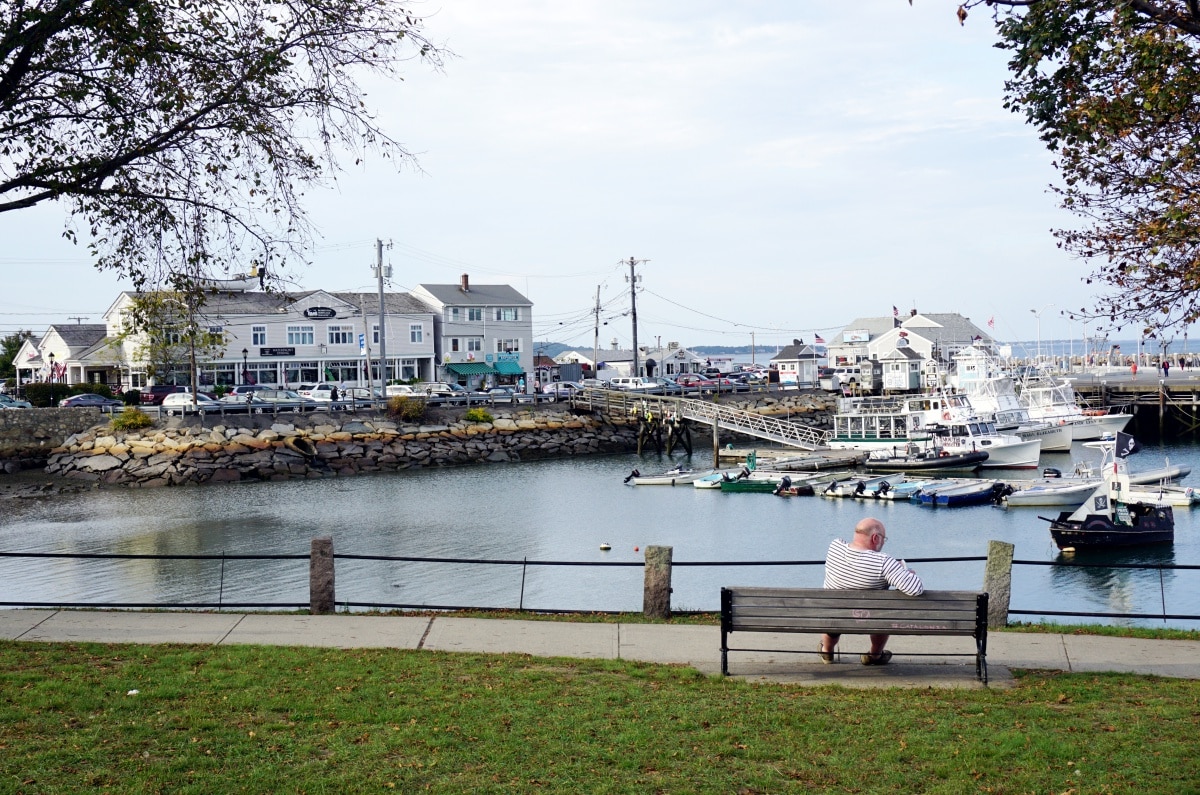
Wetlands Regulations - Duxbury, MA | Brian Ellis - Linwood Ellis
Buyers who want to add a garage, expand a deck, or finish a walkout basement often discover mid-transaction that they're inside a wetlands buffer zone — and suddenly your sale becomes a negotiation over what's not possible. If your Duxbury home sits near a marsh, stream, or vernal pool, the town's wetlands rules can kill buyer plans before they even submit an offer.
Understanding these restrictions before listing helps you price correctly and target the right buyers instead of watching deals collapse during due diligence. The full Duxbury seller's guide covers pre-listing prep across wetlands, septic, flood, and pricing — and wetlands jurisdiction is one of the disclosures that most often shapes the final sale price.
What Counts as Wetlands Buffer in Duxbury
Duxbury enforces both the Massachusetts Wetlands Protection Act and a local bylaw overlay that's stricter than state requirements. The Duxbury Conservation Commission — not the Planning Board — is the enforcement body that reviews all work proposed within wetlands buffer zones.
Even if the wetland itself isn't on your lot, you're subject to these rules if wetlands exist within the buffer distance of your property line. Common wetland types in Duxbury include coastal salt marshes along Duxbury Bay, freshwater marshes along the Route 3A corridor, and vernal pools in wooded areas near Mayflower Street and Temple Street.
Homes along Powder Point Avenue near Duxbury Beach typically face coastal wetlands restrictions. Properties backing Island Creek Pond or South River deal with freshwater wetlands regulations. Subdivisions off St. George Street near conservation land often have vernal pool habitat that triggers protection requirements.
Properties on Washington Street (Route 3A) often back to freshwater wetlands. Homes in the Snug Harbor area face salt marsh proximity. Lots near Duxbury Town Forest off Surplus Street commonly have vernal pool habitat.
What Buyer Plans Trigger Conservation Review
Any work within a wetlands buffer typically requires filing a Notice of Intent with the Conservation Commission. This includes:
Additions, sheds, decks, and patios
Grading and tree removal above certain sizes
Driveway expansion
In-ground pools
The process requires time and money. Sellers or buyers must often hire an environmental consultant to perform a wetlands delineation before the Commission will review the project. The approval process itself can take months, and many buyers financing new construction or major additions can't close until Conservation Commission approval is secured.
Just as buyers have become pickier about furnace age and window condition, they're also unwilling to gamble on permits they might not get. The same scrutiny applies to Plymouth County zoning bylaws, which can layer additional setbacks and use restrictions on top of wetlands buffer rules. Buyers in Duxbury want turnkey properties where expansion plans are straightforward and don't require months of regulatory approval.
Interior renovations, roof replacement, and repainting don't require Conservation Commission approval. Minor landscaping outside buffer zones also proceeds without filing. But many buyers don't realize they're in a buffer zone until their contractor or architect walks the property and flags potential issues.
How Wetlands Restrictions Kill Deals During Inspection
Most buyers don't request a wetlands determination during their inspection period. But when their contractor does a site walk to estimate addition costs, those restrictions get flagged immediately.
Buyer's lenders may require proof that existing structures like decks, sheds, or patios were properly permitted if they appear to be in a buffer zone. If the seller can't produce permits, the lender may refuse to close the transaction.
Buyers planning to finish a walkout basement or add a bedroom often discover that both septic capacity and wetlands regulations are problems. Septic system capacity is based on bedroom count, not bathroom count — a four-bedroom septic can support four bedrooms regardless of how many bathrooms exist. But Conservation Commission approval may block physical expansion within the buffer regardless of septic capacity.
Once buyers know they can't execute their plans, they either walk from the deal or demand a price reduction that offsets the lost future value. Duxbury sellers who don't disclose wetlands restrictions upfront often end up accepting less after renegotiation once buyers discover what they can't do with the property.
Homes along Halls Corner Road and Tremont Street near South River frequently trigger buffer zone concerns. Properties near Duxbury Bay Maritime School face coastal resource area restrictions. King Caesar Road waterfront lots often have both wetlands and flood zone overlap, requiring disclosure of multiple limitations.
Do Wetlands Restrictions Lower Home Value
Not every buyer sees wetlands as a dealbreaker. Retirees downsizing, empty nesters who don't plan additions, and conservation-minded buyers who value privacy and natural buffers often prefer properties with wetlands nearby.
If restrictions aren't disclosed and buyers discover them mid-transaction, the discount can be larger because the buyer has leverage and has already invested in inspection costs, appraisal fees, and attorney time.
Cash buyers care less about permits for existing unpermitted structures than financed buyers do. The same dynamic plays out with flood zone properties in Duxbury — financed buyers face mandatory insurance and lender disclosure requirements while cash buyers have flexibility. Cash buyers may accept unpermitted structures in wetlands buffers if they have no plans to expand. Financed buyers may not be able to close if their lender flags unpermitted work.
Island Creek waterfront homes commonly have wetlands restrictions but remain highly desirable for buyers prioritizing water access over expansion potential. Powder Point Avenue's premium location offsets wetlands limitations for many buyers. The Harrison Street area near Partridge Marsh sits at a lower price point where wetlands discounts represent a more significant percentage impact.
What to Do Before Listing Property With Wetlands
Start by checking Duxbury's online GIS wetlands map, which is publicly available. This shows approximate wetlands boundaries but isn't legally binding. Next, review your property's as-built survey if you have one — it may show wetlands lines or note "subject to Conservation Commission approval."
Walk your property with someone who knows wetlands. Look for obvious signs:
Standing water even during dry seasons
Cattails or phragmites
Wet soils or hydric soil indicators
Then decide whether to commission a professional wetlands delineation. This removes uncertainty and allows accurate pricing, and it attracts serious buyers who appreciate transparency. The downside is the upfront cost and the possibility that the delineation reveals restrictions you'd rather not formally document.
If you're pricing at the higher end of Duxbury's market or marketing to buyers likely to want additions — families with young kids, for example — getting the delineation done and disclosing it builds trust and speeds up closing. If you're targeting downsizers or retirees who are unlikely to expand, checking the GIS map and disclosing "property may be subject to wetlands buffer — buyer to verify" is often sufficient. The broader rules around what sellers have to disclose when selling a Plymouth County property apply to wetlands the same way they apply to flood zones, septic, and known defects — proactive disclosure protects the deal.
Standish Shore lots often have prior Conservation Commission filings on record. Checking town records can show what was approved or denied in the past and give you a sense of what the Commission allows. The Summer Street corridor near Weston Pond has numerous wetlands delineations on file due to freshwater marsh proximity. Many Bay Road properties already have delineations from prior owners.
How Long Conservation Commission Approval Takes
The Duxbury Conservation Commission consists of volunteer members appointed by the Select Board who interpret both state law and local bylaws. The Commission typically meets twice per month, though schedules can vary and winter weather sometimes forces cancellations or delays.
The filing process follows a specific sequence:
1. Notice of Intent filing
2. Site visit where Commission members walk the property
3. Public hearing
4. Decision
The Commission may approve work with conditions like erosion controls, replanting native vegetation, limiting impervious surface, or requiring professional monitoring during construction.
Some buyers walk away because they don't want to deal with conditions like seasonal work restrictions during nesting periods. Off-market transactions often work well for properties with known limitations where the buyer is looking for privacy and a natural setting and isn't comparison-shopping every MLS listing.
Brian Ellis spent years as a contractor before transitioning into real estate, and he researches town bylaws and Conservation Commission records for clients to determine what's possible with additions, ADUs, or extra bedrooms — so sellers know what to disclose before listing.
For sellers preparing to list a Duxbury property where wetlands jurisdiction may be in play, the Duxbury seller's pillar guide walks through the full pre-listing checklist alongside pricing strategy. Each constraint — wetlands, septic, flood, zoning, disclosure — influences the others, and getting them right before going live is what determines whether your home sells in 30 days or sits for 90.
Contact Brian Ellis to discuss your Duxbury property — including a pre-listing review of any wetlands, conservation, or buildable-area constraints that could affect your sale price.

Elite Broker Blogs
━━━━━━━━
Wetlands Regulations - Duxbury, MA | Brian Ellis - Linwood Ellis
Buyers who want to add a garage, expand a deck, or finish a walkout basement often discover mid-transaction that they're inside a wetlands buffer zone — and suddenly your sale becomes a negotiation over what's not possible. If your Duxbury home sits near a marsh, stream, or vernal pool, the town's wetlands rules can kill buyer plans before they even submit an offer.
Understanding these restrictions before listing helps you price correctly and target the right buyers instead of watching deals collapse during due diligence. The full Duxbury seller's guide covers pre-listing prep across wetlands, septic, flood, and pricing — and wetlands jurisdiction is one of the disclosures that most often shapes the final sale price.
What Counts as Wetlands Buffer in Duxbury
Duxbury enforces both the Massachusetts Wetlands Protection Act and a local bylaw overlay that's stricter than state requirements. The Duxbury Conservation Commission — not the Planning Board — is the enforcement body that reviews all work proposed within wetlands buffer zones.
Even if the wetland itself isn't on your lot, you're subject to these rules if wetlands exist within the buffer distance of your property line. Common wetland types in Duxbury include coastal salt marshes along Duxbury Bay, freshwater marshes along the Route 3A corridor, and vernal pools in wooded areas near Mayflower Street and Temple Street.
Homes along Powder Point Avenue near Duxbury Beach typically face coastal wetlands restrictions. Properties backing Island Creek Pond or South River deal with freshwater wetlands regulations. Subdivisions off St. George Street near conservation land often have vernal pool habitat that triggers protection requirements.
Properties on Washington Street (Route 3A) often back to freshwater wetlands. Homes in the Snug Harbor area face salt marsh proximity. Lots near Duxbury Town Forest off Surplus Street commonly have vernal pool habitat.
What Buyer Plans Trigger Conservation Review
Any work within a wetlands buffer typically requires filing a Notice of Intent with the Conservation Commission. This includes:
Additions, sheds, decks, and patios
Grading and tree removal above certain sizes
Driveway expansion
In-ground pools
The process requires time and money. Sellers or buyers must often hire an environmental consultant to perform a wetlands delineation before the Commission will review the project. The approval process itself can take months, and many buyers financing new construction or major additions can't close until Conservation Commission approval is secured.
Just as buyers have become pickier about furnace age and window condition, they're also unwilling to gamble on permits they might not get. The same scrutiny applies to Plymouth County zoning bylaws, which can layer additional setbacks and use restrictions on top of wetlands buffer rules. Buyers in Duxbury want turnkey properties where expansion plans are straightforward and don't require months of regulatory approval.
Interior renovations, roof replacement, and repainting don't require Conservation Commission approval. Minor landscaping outside buffer zones also proceeds without filing. But many buyers don't realize they're in a buffer zone until their contractor or architect walks the property and flags potential issues.
How Wetlands Restrictions Kill Deals During Inspection
Most buyers don't request a wetlands determination during their inspection period. But when their contractor does a site walk to estimate addition costs, those restrictions get flagged immediately.
Buyer's lenders may require proof that existing structures like decks, sheds, or patios were properly permitted if they appear to be in a buffer zone. If the seller can't produce permits, the lender may refuse to close the transaction.
Buyers planning to finish a walkout basement or add a bedroom often discover that both septic capacity and wetlands regulations are problems. Septic system capacity is based on bedroom count, not bathroom count — a four-bedroom septic can support four bedrooms regardless of how many bathrooms exist. But Conservation Commission approval may block physical expansion within the buffer regardless of septic capacity.
Once buyers know they can't execute their plans, they either walk from the deal or demand a price reduction that offsets the lost future value. Duxbury sellers who don't disclose wetlands restrictions upfront often end up accepting less after renegotiation once buyers discover what they can't do with the property.
Homes along Halls Corner Road and Tremont Street near South River frequently trigger buffer zone concerns. Properties near Duxbury Bay Maritime School face coastal resource area restrictions. King Caesar Road waterfront lots often have both wetlands and flood zone overlap, requiring disclosure of multiple limitations.
Do Wetlands Restrictions Lower Home Value
Not every buyer sees wetlands as a dealbreaker. Retirees downsizing, empty nesters who don't plan additions, and conservation-minded buyers who value privacy and natural buffers often prefer properties with wetlands nearby.
If restrictions aren't disclosed and buyers discover them mid-transaction, the discount can be larger because the buyer has leverage and has already invested in inspection costs, appraisal fees, and attorney time.
Cash buyers care less about permits for existing unpermitted structures than financed buyers do. The same dynamic plays out with flood zone properties in Duxbury — financed buyers face mandatory insurance and lender disclosure requirements while cash buyers have flexibility. Cash buyers may accept unpermitted structures in wetlands buffers if they have no plans to expand. Financed buyers may not be able to close if their lender flags unpermitted work.
Island Creek waterfront homes commonly have wetlands restrictions but remain highly desirable for buyers prioritizing water access over expansion potential. Powder Point Avenue's premium location offsets wetlands limitations for many buyers. The Harrison Street area near Partridge Marsh sits at a lower price point where wetlands discounts represent a more significant percentage impact.
What to Do Before Listing Property With Wetlands
Start by checking Duxbury's online GIS wetlands map, which is publicly available. This shows approximate wetlands boundaries but isn't legally binding. Next, review your property's as-built survey if you have one — it may show wetlands lines or note "subject to Conservation Commission approval."
Walk your property with someone who knows wetlands. Look for obvious signs:
Standing water even during dry seasons
Cattails or phragmites
Wet soils or hydric soil indicators
Then decide whether to commission a professional wetlands delineation. This removes uncertainty and allows accurate pricing, and it attracts serious buyers who appreciate transparency. The downside is the upfront cost and the possibility that the delineation reveals restrictions you'd rather not formally document.
If you're pricing at the higher end of Duxbury's market or marketing to buyers likely to want additions — families with young kids, for example — getting the delineation done and disclosing it builds trust and speeds up closing. If you're targeting downsizers or retirees who are unlikely to expand, checking the GIS map and disclosing "property may be subject to wetlands buffer — buyer to verify" is often sufficient. The broader rules around what sellers have to disclose when selling a Plymouth County property apply to wetlands the same way they apply to flood zones, septic, and known defects — proactive disclosure protects the deal.
Standish Shore lots often have prior Conservation Commission filings on record. Checking town records can show what was approved or denied in the past and give you a sense of what the Commission allows. The Summer Street corridor near Weston Pond has numerous wetlands delineations on file due to freshwater marsh proximity. Many Bay Road properties already have delineations from prior owners.
How Long Conservation Commission Approval Takes
The Duxbury Conservation Commission consists of volunteer members appointed by the Select Board who interpret both state law and local bylaws. The Commission typically meets twice per month, though schedules can vary and winter weather sometimes forces cancellations or delays.
The filing process follows a specific sequence:
1. Notice of Intent filing
2. Site visit where Commission members walk the property
3. Public hearing
4. Decision
The Commission may approve work with conditions like erosion controls, replanting native vegetation, limiting impervious surface, or requiring professional monitoring during construction.
Some buyers walk away because they don't want to deal with conditions like seasonal work restrictions during nesting periods. Off-market transactions often work well for properties with known limitations where the buyer is looking for privacy and a natural setting and isn't comparison-shopping every MLS listing.
Brian Ellis spent years as a contractor before transitioning into real estate, and he researches town bylaws and Conservation Commission records for clients to determine what's possible with additions, ADUs, or extra bedrooms — so sellers know what to disclose before listing.
For sellers preparing to list a Duxbury property where wetlands jurisdiction may be in play, the Duxbury seller's pillar guide walks through the full pre-listing checklist alongside pricing strategy. Each constraint — wetlands, septic, flood, zoning, disclosure — influences the others, and getting them right before going live is what determines whether your home sells in 30 days or sits for 90.
Contact Brian Ellis to discuss your Duxbury property — including a pre-listing review of any wetlands, conservation, or buildable-area constraints that could affect your sale price.