
Plymouth County Real Estate Blog
Real Talk on Selling, Buying & Navigating the South Shore Market
Practical guidance on Title 5 septic, flood zones, pricing strategy, and the issues that actually move home sales in Plymouth, Kingston, and Duxbury. Written by Brian Ellis — broker, former contractor, and the agent who's bought, sold, and renovated 40+ properties in Plymouth County.
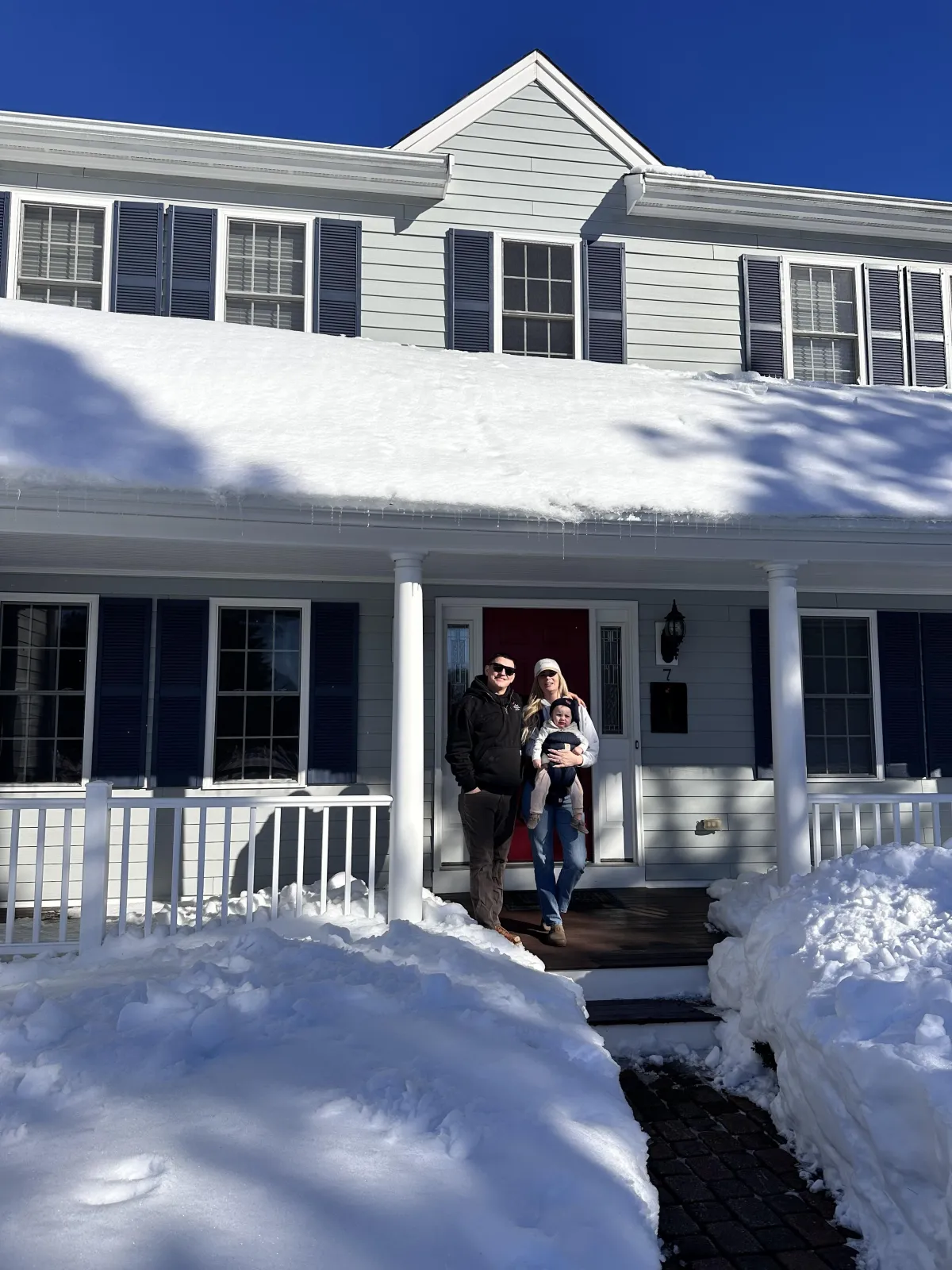
Sell Your Plymouth House in Under 30 Days | Brian Ellis - Linwood Ellis
If your Plymouth house has been sitting on the market for three weeks with no offers, it's not the market—it's the price. In 2025, buyers are walking properties in 02360 and 02362 with inspection checklists that didn't exist two years ago, and there are no bidding wars to save you from bad pricing strategy.
The shift happened when Massachusetts changed home inspection laws to require inspections with no waivers. Buyers became pickier. Sellers who understand this dynamic—and price accordingly—close in weeks, not months. For a complete breakdown of the selling process in Plymouth, including timeline expectations and what to prepare before listing, visit Selling Your Home in Plymouth MA.
How to Price Your House to Get Multiple Offers in the First Week
Properties priced just below recent comps generate urgency because buyers perceive value immediately. When a listing in Kingston or Plymouth hits Zillow with pricing that's clearly competitive, it racks up saves—sometimes 100 or more within the first day.
Those saves signal to other buyers that the property is worth pursuing. That perception drives offers, often multiple, within the first week.
Plymouth's median days on market is 52 days overall. Properly priced listings average 28 days. The difference comes down to first impressions. Buyers who see a property has been sitting for 30 days assume it's overpriced or has issues they haven't uncovered yet.
Overpricing by even a small margin kills momentum before it starts. Homes priced just below comps have sold for $50,000 to $60,000 over asking because of initial demand. The first two weeks on market determine whether a property will sell quickly or languish.
Winter in Plymouth slows things down considerably, but in spring and summer, momentum builds fast if the price is right.
What Happens If Your Septic Fails Before Closing
A passing Title 5 septic inspection is not universally required before closing in Massachusetts. The requirement is triggered by lenders, not by state law. Financed transactions require a passing Title 5 before the lender will close. Cash buyers can close without one as long as there is proper disclosure and buyer acceptance.
In Plymouth, especially near the harbor in 02360, and throughout older Duxbury neighborhoods in 02332, many septic systems are 30 years old or more. The system either passes, fails, or gets conditional. If it fails and the buyer is financing, the seller or buyer must resolve it before closing—or the lender won't proceed.
A new septic system costs between $25,000 and $50,000 depending on lot conditions. Regular pumping every couple of years significantly improves the chance of passing. Septic capacity is rated by bedroom count, not bathroom count. A four-bedroom septic can support four bedrooms regardless of how many bathrooms are added.
Sellers who try to make buyers responsible for a failed Title V on a financed deal will eliminate a significant portion of the buyer pool. The remaining interest will come from cash investors who will lowball even more than the repair cost.
Getting Title 5 done before listing eliminates surprises and prevents deals from falling apart during the inspection period. On cash deals, parties can agree to close as-is with a credit or escrow for repair.
Pre-Listing Repairs Worth Making vs. What to Skip
For lower to median-price homes in Plymouth and Kingston, paint and decluttering deliver the biggest return. Clean yards are underrated as a selling point. Buyers need to see themselves living in the space, and overgrown landscaping or cluttered interiors make that difficult.
Since Massachusetts changed inspection laws requiring inspections with no waivers, buyers in Plymouth and Duxbury expect turnkey properties. They want newer kitchens, newer bathrooms, furnaces that aren't at end of life, and newer windows. They'll pay more for better quality.
That doesn't mean sellers should invest in full renovations. For most properties, it's better to price accordingly and let the buyer customize. Buyers scrutinize furnace age, window condition, and other systems during inspections.
On disclosure, only disclose test results actually on hand for lead paint or radon—don't go out of your way to get that information and create a disclosure problem. Proactive testing can backfire if results come back unfavorable and must then be disclosed to every potential buyer.
How to Handle Flood Zones and Insurance Costs Without Killing Your Deal
FEMA flood maps in Plymouth are outdated. Many buyers don't realize a property is in a flood zone until insurance quotes come back mid-transaction. Flood insurance is wildly variable—one property might cost $1,500 per year while the house two doors down costs $6,000 per year or more.
Proactive disclosure and pricing accordingly prevents deals from getting blindsided during attorney review or mortgage underwriting. Sellers who wait until the buyer's lender flags the flood zone often face renegotiation or a collapsed deal.
Homeowners insurance is rising approximately 12 percent per year. In Plymouth, a two-bedroom home averages around $2,800 per year while a three-bedroom averages around $3,400 per year. Condo HOA fees are difficult to find under $500 per month in areas like Tivee.
Property taxes also factor into buyer calculations. Duxbury's FY2026 residential tax rate is $9.96 per $1,000 of assessed value, with the average single-family assessed value at approximately $1,242,100. Plymouth's FY2026 residential rate is $12.55 per $1,000, roughly 26 percent higher than Duxbury's rate. Kingston's FY2026 rate is $12.82 per $1,000, approximately 29 percent higher than Duxbury.
The rate gap matters. At the same assessed value, a Plymouth home in 02360 carries a higher tax rate than Duxbury. But Duxbury's much higher assessed values mean the dollar tax bill is still significantly larger—averaging around $12,371 for a single-family home in Duxbury compared to a lower total bill in Plymouth or Kingston despite the higher rates.
Waterfront properties in 02360 near Plymouth harbor face the most scrutiny on flood insurance. Sellers who understand the cost and disclose early avoid last-minute surprises that derail deals.
When Selling Off-Market Gets You More Money Than Listing on MLS
Off-market doesn't mean below market. When handled correctly, sellers still get fair value because the buyer is paying for exclusivity and speed. In tight-inventory markets like Plymouth, Kingston, and Duxbury, off-market access means buyers see properties that never hit the MLS.
For sellers, the advantages are discretion, speed, and no disruption from public showings. Estate settlements, job relocations, and financial pressures often require a quick close. Off-market deals can close in two to three weeks instead of Plymouth's overall median of 52 days.
For buyers, the advantage is eliminating competition entirely. No bidding wars, no waived contingencies, no emotional overpaying. They get the property without the frenzy that often accompanies well-priced listings in 02360 and 02332.
The key is having the network to connect serious buyers with motivated sellers before a property goes public. Agents who only work the MLS simply don't have this pipeline.
What You'll Actually Net After Commission and Closing Costs
Commission is always negotiable. Sellers are not required to pay a buyer's agent commission—it's optional—but offering one maximizes the buyer pool.
At Plymouth's average sale price of approximately $766,000, commission flexibility can mean the difference between selling in 28 days versus 60-plus days and potentially dropping price by $20,000 or more. If adjusting commission closes the deal faster and at a higher net, it's worth negotiating.
Duxbury's average sale price is around $1.5 million. Kingston's average sale price is approximately $770,000. The commission structure should reflect the specific deal, the property, and what it takes to close.
Massachusetts recently passed a law stating that tenants are not required to pay broker fees when renting a residential property—landlords are now responsible for broker commissions on residential rentals. This is separate from the NAR settlement changes on buyer agent commission in sales transactions. Both changes reflect a broader shift toward transparency and negotiability in real estate fees.
For a detailed walkthrough of closing costs, transfer taxes, and net proceeds specific to Plymouth properties, see Selling Your Home in Plymouth MA.
Brian Ellis completes 5 to 10 off-market transactions per year across Plymouth, Kingston, and Duxbury where Title 5 negotiations, commission adjustments, and deal structure are handled privately between parties. His contractor background from purchasing and renovating over 40 properties in Plymouth County provides the relationships and pricing insight that make fast closings possible.
Contact Brian to discuss pricing strategy and timeline expectations for your Plymouth property.

Elite Broker Blogs
━━━━━━━━
Sell Your Plymouth House in Under 30 Days | Brian Ellis - Linwood Ellis
If your Plymouth house has been sitting on the market for three weeks with no offers, it's not the market—it's the price. In 2025, buyers are walking properties in 02360 and 02362 with inspection checklists that didn't exist two years ago, and there are no bidding wars to save you from bad pricing strategy.
The shift happened when Massachusetts changed home inspection laws to require inspections with no waivers. Buyers became pickier. Sellers who understand this dynamic—and price accordingly—close in weeks, not months. For a complete breakdown of the selling process in Plymouth, including timeline expectations and what to prepare before listing, visit Selling Your Home in Plymouth MA.
How to Price Your House to Get Multiple Offers in the First Week
Properties priced just below recent comps generate urgency because buyers perceive value immediately. When a listing in Kingston or Plymouth hits Zillow with pricing that's clearly competitive, it racks up saves—sometimes 100 or more within the first day.
Those saves signal to other buyers that the property is worth pursuing. That perception drives offers, often multiple, within the first week.
Plymouth's median days on market is 52 days overall. Properly priced listings average 28 days. The difference comes down to first impressions. Buyers who see a property has been sitting for 30 days assume it's overpriced or has issues they haven't uncovered yet.
Overpricing by even a small margin kills momentum before it starts. Homes priced just below comps have sold for $50,000 to $60,000 over asking because of initial demand. The first two weeks on market determine whether a property will sell quickly or languish.
Winter in Plymouth slows things down considerably, but in spring and summer, momentum builds fast if the price is right.
What Happens If Your Septic Fails Before Closing
A passing Title 5 septic inspection is not universally required before closing in Massachusetts. The requirement is triggered by lenders, not by state law. Financed transactions require a passing Title 5 before the lender will close. Cash buyers can close without one as long as there is proper disclosure and buyer acceptance.
In Plymouth, especially near the harbor in 02360, and throughout older Duxbury neighborhoods in 02332, many septic systems are 30 years old or more. The system either passes, fails, or gets conditional. If it fails and the buyer is financing, the seller or buyer must resolve it before closing—or the lender won't proceed.
A new septic system costs between $25,000 and $50,000 depending on lot conditions. Regular pumping every couple of years significantly improves the chance of passing. Septic capacity is rated by bedroom count, not bathroom count. A four-bedroom septic can support four bedrooms regardless of how many bathrooms are added.
Sellers who try to make buyers responsible for a failed Title V on a financed deal will eliminate a significant portion of the buyer pool. The remaining interest will come from cash investors who will lowball even more than the repair cost.
Getting Title 5 done before listing eliminates surprises and prevents deals from falling apart during the inspection period. On cash deals, parties can agree to close as-is with a credit or escrow for repair.
Pre-Listing Repairs Worth Making vs. What to Skip
For lower to median-price homes in Plymouth and Kingston, paint and decluttering deliver the biggest return. Clean yards are underrated as a selling point. Buyers need to see themselves living in the space, and overgrown landscaping or cluttered interiors make that difficult.
Since Massachusetts changed inspection laws requiring inspections with no waivers, buyers in Plymouth and Duxbury expect turnkey properties. They want newer kitchens, newer bathrooms, furnaces that aren't at end of life, and newer windows. They'll pay more for better quality.
That doesn't mean sellers should invest in full renovations. For most properties, it's better to price accordingly and let the buyer customize. Buyers scrutinize furnace age, window condition, and other systems during inspections.
On disclosure, only disclose test results actually on hand for lead paint or radon—don't go out of your way to get that information and create a disclosure problem. Proactive testing can backfire if results come back unfavorable and must then be disclosed to every potential buyer.
How to Handle Flood Zones and Insurance Costs Without Killing Your Deal
FEMA flood maps in Plymouth are outdated. Many buyers don't realize a property is in a flood zone until insurance quotes come back mid-transaction. Flood insurance is wildly variable—one property might cost $1,500 per year while the house two doors down costs $6,000 per year or more.
Proactive disclosure and pricing accordingly prevents deals from getting blindsided during attorney review or mortgage underwriting. Sellers who wait until the buyer's lender flags the flood zone often face renegotiation or a collapsed deal.
Homeowners insurance is rising approximately 12 percent per year. In Plymouth, a two-bedroom home averages around $2,800 per year while a three-bedroom averages around $3,400 per year. Condo HOA fees are difficult to find under $500 per month in areas like Tivee.
Property taxes also factor into buyer calculations. Duxbury's FY2026 residential tax rate is $9.96 per $1,000 of assessed value, with the average single-family assessed value at approximately $1,242,100. Plymouth's FY2026 residential rate is $12.55 per $1,000, roughly 26 percent higher than Duxbury's rate. Kingston's FY2026 rate is $12.82 per $1,000, approximately 29 percent higher than Duxbury.
The rate gap matters. At the same assessed value, a Plymouth home in 02360 carries a higher tax rate than Duxbury. But Duxbury's much higher assessed values mean the dollar tax bill is still significantly larger—averaging around $12,371 for a single-family home in Duxbury compared to a lower total bill in Plymouth or Kingston despite the higher rates.
Waterfront properties in 02360 near Plymouth harbor face the most scrutiny on flood insurance. Sellers who understand the cost and disclose early avoid last-minute surprises that derail deals.
When Selling Off-Market Gets You More Money Than Listing on MLS
Off-market doesn't mean below market. When handled correctly, sellers still get fair value because the buyer is paying for exclusivity and speed. In tight-inventory markets like Plymouth, Kingston, and Duxbury, off-market access means buyers see properties that never hit the MLS.
For sellers, the advantages are discretion, speed, and no disruption from public showings. Estate settlements, job relocations, and financial pressures often require a quick close. Off-market deals can close in two to three weeks instead of Plymouth's overall median of 52 days.
For buyers, the advantage is eliminating competition entirely. No bidding wars, no waived contingencies, no emotional overpaying. They get the property without the frenzy that often accompanies well-priced listings in 02360 and 02332.
The key is having the network to connect serious buyers with motivated sellers before a property goes public. Agents who only work the MLS simply don't have this pipeline.
What You'll Actually Net After Commission and Closing Costs
Commission is always negotiable. Sellers are not required to pay a buyer's agent commission—it's optional—but offering one maximizes the buyer pool.
At Plymouth's average sale price of approximately $766,000, commission flexibility can mean the difference between selling in 28 days versus 60-plus days and potentially dropping price by $20,000 or more. If adjusting commission closes the deal faster and at a higher net, it's worth negotiating.
Duxbury's average sale price is around $1.5 million. Kingston's average sale price is approximately $770,000. The commission structure should reflect the specific deal, the property, and what it takes to close.
Massachusetts recently passed a law stating that tenants are not required to pay broker fees when renting a residential property—landlords are now responsible for broker commissions on residential rentals. This is separate from the NAR settlement changes on buyer agent commission in sales transactions. Both changes reflect a broader shift toward transparency and negotiability in real estate fees.
For a detailed walkthrough of closing costs, transfer taxes, and net proceeds specific to Plymouth properties, see Selling Your Home in Plymouth MA.
Brian Ellis completes 5 to 10 off-market transactions per year across Plymouth, Kingston, and Duxbury where Title 5 negotiations, commission adjustments, and deal structure are handled privately between parties. His contractor background from purchasing and renovating over 40 properties in Plymouth County provides the relationships and pricing insight that make fast closings possible.
Contact Brian to discuss pricing strategy and timeline expectations for your Plymouth property.