
Plymouth County Real Estate Blog
Real Talk on Selling, Buying & Navigating the South Shore Market
Practical guidance on Title 5 septic, flood zones, pricing strategy, and the issues that actually move home sales in Plymouth, Kingston, and Duxbury. Written by Brian Ellis — broker, former contractor, and the agent who's bought, sold, and renovated 40+ properties in Plymouth County.
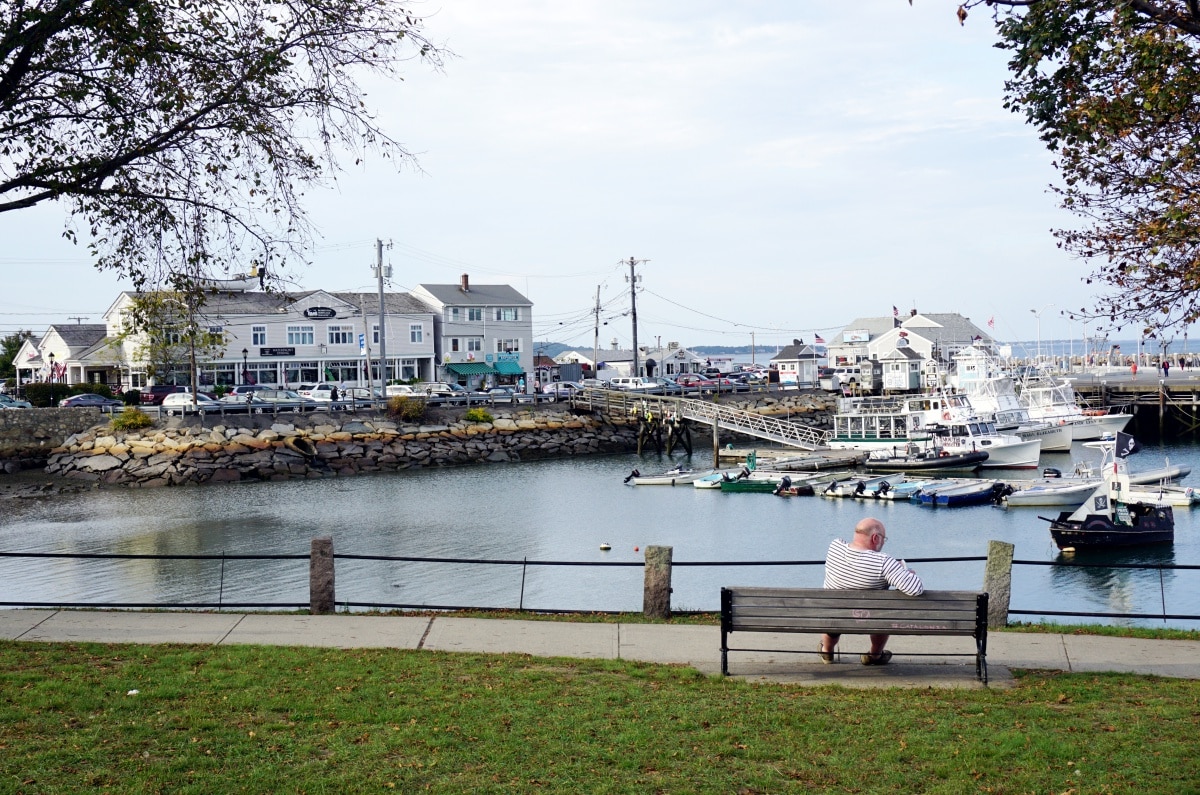
FEMA Flood Zones: Selling Your Kingston, MA Home | Brian Ellis - Linwood Ellis
If your Kingston property is in a FEMA flood zone, you need to know three things before you list: whether the buyer's lender will require flood insurance, what that insurance will actually cost, and how to price and disclose it so you don't lose a deal halfway through negotiations. Sellers in Jones River Village and along Route 3A get blindsided by flood insurance quotes that buyers didn't expect — and those deals either die or require major price cuts to close.
Finding Out If Your Kingston Property Is in a FEMA Flood Zone
The first step is to check the FEMA Flood Map Service Center. Search by your property address to see which zone designation applies.
The zones that matter: AE zones have a specified base flood elevation and are considered high-risk. VE zones are coastal velocity zones with wave action. X zones (shaded) have a 0.2% annual chance of flooding, while unshaded X zones are considered minimal risk.
Kingston's FEMA maps are outdated. Many were last updated in the 1980s and 1990s, which means development patterns, wetland changes, and sea level rise aren't fully reflected in the current zone designations.
Specific Kingston areas where flood zones come up frequently include neighborhoods near Jones River south of Route 80, properties along Wapping Road near the marshes, and homes backing onto Rocky Nook in Kingston Bay. Some properties are technically mapped inside a flood zone but are elevated above the base flood elevation — this is where an elevation certificate becomes critical.
Before you list in Kingston, you need to understand your flood zone status and how it will affect buyer financing and insurance requirements.
What Flood Insurance Costs in Kingston
Flood insurance costs are driven by several factors: your zone designation, the base flood elevation relative to your home's elevation, whether you have a basement, the age of the structure, whether you have an elevation certificate on file, and the coverage amount you're required to carry.
The range is wide. On the low end, a home elevated above base flood elevation with an existing elevation certificate and minimal basement space might pay around $1,500 per year. On the high end, an older home in an AE zone with a finished basement and no elevation certificate can face significantly higher quotes.
The reason two neighbors can be thousands of dollars apart comes down to documentation and elevation. One house might have an elevation certificate from a recent renovation showing it sits two feet above base flood elevation. The house next door has no certificate, so the insurer quotes assuming worst-case elevation.
Ordering an elevation certificate costs $400 to $800 and takes two to four weeks, but it can save thousands annually in premiums. Sellers should get this done before listing, not during the transaction when time pressure is high.
Flood insurance is separate from homeowners insurance and is required by lenders if the property is in a Special Flood Hazard Area. Buyers financing a Kingston home in a flood zone will be required by their lender to carry flood insurance — this is a financing requirement, not a state law. Cash buyers are not required to carry it, but many will factor the annual cost into their purchase price.
Properties near Landing Road near the harbor, the Indian Pond area along the Kingston-Plympton line, and streets near Smelt Brook are common locations where insurance variability shows up. Even within the same subdivision, elevation differences of a few feet can shift a property from lower premiums to significantly higher ones.
Do I Have to Fix Anything Before Listing a Flood Zone Property
Being in a flood zone does not trigger mandatory repairs before listing. Unlike a failed Title 5 septic inspection on a financed deal — where the lender requires a passing system before closing — flood zone status by itself doesn't require you to fix anything structural before you can list the property.
However, disclosure is critical. If you've had prior flood damage, filed insurance claims, or have recurring water issues in the basement, you're legally required to disclose that on the Massachusetts Seller's Disclosure Form. Flood zone status itself isn't a defect, but flood history and water intrusion are material facts.
Buyers and their lenders will look closely at certain systems during the inspection. They'll check for sump pumps, foundation cracks, evidence of past water intrusion, and whether critical mechanicals — furnace, water heater, electrical panel — are elevated above base flood elevation.
If your electrical panel is in the basement and below base flood elevation, expect buyers to ask for it to be relocated or request a credit. Some buyers will walk away entirely if they see flood risk they weren't prepared for. Others, especially cash buyers or investors, will negotiate hard.
The key is to price and disclose correctly from the start so you attract informed buyers who are prepared for the reality of the property. Flood zone properties that are priced correctly and disclosed upfront can still perform well — selling a home in Plymouth with flood zone complications follows the same principle: transparency and accurate pricing eliminate surprises that kill deals.
Older homes along the Gray's Beach area near the Kingston-Duxbury line and properties along the Route 3A corridor south toward Plymouth are areas where these mechanical and elevation questions come up frequently during inspections.
How Flood Zone Status Affects Pricing Strategy
If comparable non-flood-zone homes in Kingston are selling at a certain price point, a flood zone property with significant annual flood insurance costs may need to be priced below those comparables to account for the buyer's long-term ownership expenses. This isn't about taking a loss — it's about pricing to reflect the reality of ownership costs.
The buyer pool is affected in two ways. Financed buyers will be required by their lender to carry flood insurance, which means they're calculating that annual cost into their monthly housing expense and debt-to-income ratio. Cash buyers are not required by law to carry flood insurance, but most will factor that cost into their purchase offer anyway.
Flood zone properties must be priced right from day one. There's no room to "test the market" when the market has shifted away from bidding wars. The first one to two weeks on market are critical.
If you don't get an offer within that window, the price is too high. A property that generates strong early interest signals demand and drives competition. A property that sits with minimal interest sends the opposite signal — and once that perception sets in, it's hard to reverse.
Pricing dynamics vary even within Kingston. Flood-prone neighborhoods along the Jones River corridor require more careful pricing than inland areas near the Route 106 and Route 27 intersection, where flood zones are less common.
When to Disclose Flood Zone Status to Buyers
Massachusetts law requires sellers to complete a Seller's Disclosure Form that includes known material defects. Flood zone status itself is not a defect, but recurring flooding, past insurance claims, or documented flood damage are material facts that must be disclosed.
The strategic question is when to disclose. The best approach is to disclose proactively in the listing remarks or during the first showing.
Don't wait until the buyer orders their insurance quote after going under contract. If a buyer finds out two weeks into the transaction that flood insurance will cost significantly more than expected, they will either walk — and you've lost weeks of market momentum — or they'll demand a price reduction that's larger than if you'd priced the property correctly from the start.
This parallels the Title 5 septic strategy: get the inspection done before listing so there are no surprises. With flood zones, the logic is the same. Know your situation, be upfront, and attract informed buyers who are prepared for the insurance requirement.
Some buyers specifically want waterfront or marsh views and will accept the flood insurance cost if they know about it upfront and the home is priced fairly. Waterfront properties along Kingston Bay and marsh-view homes near Jones River and Indian Pond can command premium prices when marketed to the right buyer — but only if the disclosure and pricing are transparent from day one.
Selling a home in Duxbury involves similar waterfront and coastal flood disclosure strategies. Duxbury has comparable flood zone challenges along the coast, and the same principle applies: disclose early, price accurately, and eliminate surprises that derail deals.
Cash Buyers and Flood Zone Properties
Cash buyers are not required by a lender to carry flood insurance, but informed buyers will still factor the annual cost into their purchase offer. The lack of a lender requirement doesn't mean the cost disappears — it just means the negotiation happens differently.
Investors purchasing rental properties will calculate flood insurance as an ongoing operating expense that affects their return. They'll either reduce their offer to compensate or expect the property to be priced below comparable non-flood-zone homes from the start.
Cash buyers who plan to occupy the property face the same decision: pay for flood insurance to protect their investment, or self-insure and accept the risk. Most will carry coverage regardless of lender requirements, especially in high-risk zones where the annual probability of flooding is significant.
The advantage with cash buyers is speed and certainty. They're not waiting on lender underwriting or appraisal conditions. But they're also typically more sophisticated about flood risk and insurance costs, which means pricing transparency matters even more.
Properties in flood zones near the Kingston-Plymouth town line along Route 3A and homes backing onto wetlands near Indian Pond attract both investor and owner-occupant cash buyers when priced correctly for the flood insurance burden.
Brian Ellis has worked with sellers in Kingston (02364) to price flood zone properties accurately from listing day one, which attracts informed buyers prepared for the insurance requirements. The result is faster closings with fewer surprises and renegotiations during the transaction.
If you're selling a Kingston property in a FEMA flood zone, the strategy is straightforward: get your elevation certificate before listing, disclose the flood zone status upfront, price the property to reflect the buyer's long-term insurance costs, and market to buyers who understand waterfront and coastal property ownership. Contact us to discuss pricing strategy for your specific flood zone situation.

Elite Broker Blogs
━━━━━━━━
FEMA Flood Zones: Selling Your Kingston, MA Home | Brian Ellis - Linwood Ellis
If your Kingston property is in a FEMA flood zone, you need to know three things before you list: whether the buyer's lender will require flood insurance, what that insurance will actually cost, and how to price and disclose it so you don't lose a deal halfway through negotiations. Sellers in Jones River Village and along Route 3A get blindsided by flood insurance quotes that buyers didn't expect — and those deals either die or require major price cuts to close.
Finding Out If Your Kingston Property Is in a FEMA Flood Zone
The first step is to check the FEMA Flood Map Service Center. Search by your property address to see which zone designation applies.
The zones that matter: AE zones have a specified base flood elevation and are considered high-risk. VE zones are coastal velocity zones with wave action. X zones (shaded) have a 0.2% annual chance of flooding, while unshaded X zones are considered minimal risk.
Kingston's FEMA maps are outdated. Many were last updated in the 1980s and 1990s, which means development patterns, wetland changes, and sea level rise aren't fully reflected in the current zone designations.
Specific Kingston areas where flood zones come up frequently include neighborhoods near Jones River south of Route 80, properties along Wapping Road near the marshes, and homes backing onto Rocky Nook in Kingston Bay. Some properties are technically mapped inside a flood zone but are elevated above the base flood elevation — this is where an elevation certificate becomes critical.
Before you list in Kingston, you need to understand your flood zone status and how it will affect buyer financing and insurance requirements.
What Flood Insurance Costs in Kingston
Flood insurance costs are driven by several factors: your zone designation, the base flood elevation relative to your home's elevation, whether you have a basement, the age of the structure, whether you have an elevation certificate on file, and the coverage amount you're required to carry.
The range is wide. On the low end, a home elevated above base flood elevation with an existing elevation certificate and minimal basement space might pay around $1,500 per year. On the high end, an older home in an AE zone with a finished basement and no elevation certificate can face significantly higher quotes.
The reason two neighbors can be thousands of dollars apart comes down to documentation and elevation. One house might have an elevation certificate from a recent renovation showing it sits two feet above base flood elevation. The house next door has no certificate, so the insurer quotes assuming worst-case elevation.
Ordering an elevation certificate costs $400 to $800 and takes two to four weeks, but it can save thousands annually in premiums. Sellers should get this done before listing, not during the transaction when time pressure is high.
Flood insurance is separate from homeowners insurance and is required by lenders if the property is in a Special Flood Hazard Area. Buyers financing a Kingston home in a flood zone will be required by their lender to carry flood insurance — this is a financing requirement, not a state law. Cash buyers are not required to carry it, but many will factor the annual cost into their purchase price.
Properties near Landing Road near the harbor, the Indian Pond area along the Kingston-Plympton line, and streets near Smelt Brook are common locations where insurance variability shows up. Even within the same subdivision, elevation differences of a few feet can shift a property from lower premiums to significantly higher ones.
Do I Have to Fix Anything Before Listing a Flood Zone Property
Being in a flood zone does not trigger mandatory repairs before listing. Unlike a failed Title 5 septic inspection on a financed deal — where the lender requires a passing system before closing — flood zone status by itself doesn't require you to fix anything structural before you can list the property.
However, disclosure is critical. If you've had prior flood damage, filed insurance claims, or have recurring water issues in the basement, you're legally required to disclose that on the Massachusetts Seller's Disclosure Form. Flood zone status itself isn't a defect, but flood history and water intrusion are material facts.
Buyers and their lenders will look closely at certain systems during the inspection. They'll check for sump pumps, foundation cracks, evidence of past water intrusion, and whether critical mechanicals — furnace, water heater, electrical panel — are elevated above base flood elevation.
If your electrical panel is in the basement and below base flood elevation, expect buyers to ask for it to be relocated or request a credit. Some buyers will walk away entirely if they see flood risk they weren't prepared for. Others, especially cash buyers or investors, will negotiate hard.
The key is to price and disclose correctly from the start so you attract informed buyers who are prepared for the reality of the property. Flood zone properties that are priced correctly and disclosed upfront can still perform well — selling a home in Plymouth with flood zone complications follows the same principle: transparency and accurate pricing eliminate surprises that kill deals.
Older homes along the Gray's Beach area near the Kingston-Duxbury line and properties along the Route 3A corridor south toward Plymouth are areas where these mechanical and elevation questions come up frequently during inspections.
How Flood Zone Status Affects Pricing Strategy
If comparable non-flood-zone homes in Kingston are selling at a certain price point, a flood zone property with significant annual flood insurance costs may need to be priced below those comparables to account for the buyer's long-term ownership expenses. This isn't about taking a loss — it's about pricing to reflect the reality of ownership costs.
The buyer pool is affected in two ways. Financed buyers will be required by their lender to carry flood insurance, which means they're calculating that annual cost into their monthly housing expense and debt-to-income ratio. Cash buyers are not required by law to carry flood insurance, but most will factor that cost into their purchase offer anyway.
Flood zone properties must be priced right from day one. There's no room to "test the market" when the market has shifted away from bidding wars. The first one to two weeks on market are critical.
If you don't get an offer within that window, the price is too high. A property that generates strong early interest signals demand and drives competition. A property that sits with minimal interest sends the opposite signal — and once that perception sets in, it's hard to reverse.
Pricing dynamics vary even within Kingston. Flood-prone neighborhoods along the Jones River corridor require more careful pricing than inland areas near the Route 106 and Route 27 intersection, where flood zones are less common.
When to Disclose Flood Zone Status to Buyers
Massachusetts law requires sellers to complete a Seller's Disclosure Form that includes known material defects. Flood zone status itself is not a defect, but recurring flooding, past insurance claims, or documented flood damage are material facts that must be disclosed.
The strategic question is when to disclose. The best approach is to disclose proactively in the listing remarks or during the first showing.
Don't wait until the buyer orders their insurance quote after going under contract. If a buyer finds out two weeks into the transaction that flood insurance will cost significantly more than expected, they will either walk — and you've lost weeks of market momentum — or they'll demand a price reduction that's larger than if you'd priced the property correctly from the start.
This parallels the Title 5 septic strategy: get the inspection done before listing so there are no surprises. With flood zones, the logic is the same. Know your situation, be upfront, and attract informed buyers who are prepared for the insurance requirement.
Some buyers specifically want waterfront or marsh views and will accept the flood insurance cost if they know about it upfront and the home is priced fairly. Waterfront properties along Kingston Bay and marsh-view homes near Jones River and Indian Pond can command premium prices when marketed to the right buyer — but only if the disclosure and pricing are transparent from day one.
Selling a home in Duxbury involves similar waterfront and coastal flood disclosure strategies. Duxbury has comparable flood zone challenges along the coast, and the same principle applies: disclose early, price accurately, and eliminate surprises that derail deals.
Cash Buyers and Flood Zone Properties
Cash buyers are not required by a lender to carry flood insurance, but informed buyers will still factor the annual cost into their purchase offer. The lack of a lender requirement doesn't mean the cost disappears — it just means the negotiation happens differently.
Investors purchasing rental properties will calculate flood insurance as an ongoing operating expense that affects their return. They'll either reduce their offer to compensate or expect the property to be priced below comparable non-flood-zone homes from the start.
Cash buyers who plan to occupy the property face the same decision: pay for flood insurance to protect their investment, or self-insure and accept the risk. Most will carry coverage regardless of lender requirements, especially in high-risk zones where the annual probability of flooding is significant.
The advantage with cash buyers is speed and certainty. They're not waiting on lender underwriting or appraisal conditions. But they're also typically more sophisticated about flood risk and insurance costs, which means pricing transparency matters even more.
Properties in flood zones near the Kingston-Plymouth town line along Route 3A and homes backing onto wetlands near Indian Pond attract both investor and owner-occupant cash buyers when priced correctly for the flood insurance burden.
Brian Ellis has worked with sellers in Kingston (02364) to price flood zone properties accurately from listing day one, which attracts informed buyers prepared for the insurance requirements. The result is faster closings with fewer surprises and renegotiations during the transaction.
If you're selling a Kingston property in a FEMA flood zone, the strategy is straightforward: get your elevation certificate before listing, disclose the flood zone status upfront, price the property to reflect the buyer's long-term insurance costs, and market to buyers who understand waterfront and coastal property ownership. Contact us to discuss pricing strategy for your specific flood zone situation.